
What Is Anxiety? Understanding Symptoms, Causes, and Why It’s Increasing in Modern Society

What Is Anxiety?
Anxiety consists of a state of inner tension that can range from mild discomfort to excessive fear. It can appear at any moment and at different levels of intensity, often without an obvious cause.
It affects the way we think, feel, and behave. When anxiety is not well understood or managed, it can create imbalances across the mind, body, and emotional system.
From a therapeutic perspective, anxiety is not simply a problem to eliminate. It is also a signal. It is the body and the unconscious mind attempting to bring awareness to something that requires attention.
In this sense, anxiety is not only distressing. It is also informative.
What Causes Anxiety?
The reasons behind anxiety are not the same for everyone. It is often the result of a combination of internal and external factors that build over time. Anxiety can arise from feeling constant pressure, experiencing a lack of control, or feeling trapped in situations that seem difficult to change. High levels of stress, excessive worry, and repetitive patterns of thinking can also contribute to this state.
In many cases, anxiety is linked to unresolved emotional experiences. When thoughts become repetitive and overwhelming, they begin to shape how we perceive reality, reinforcing fear and insecurity. Fear, in its many forms, sits at the centre of anxiety. Sometimes it is clear and defined. At other times, it is vague and difficult to identify.
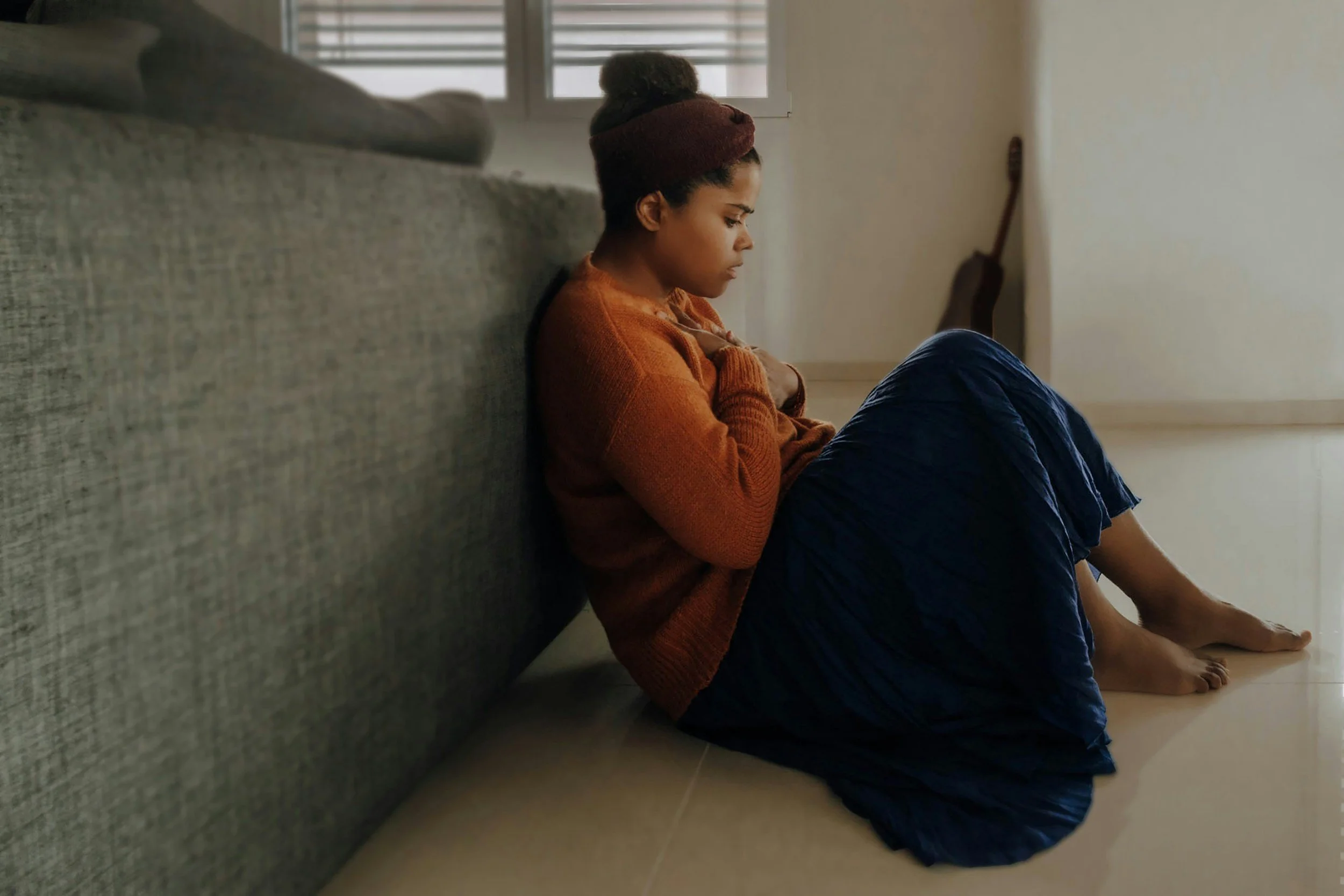
Physical and Psychological Symptoms of Anxiety
Anxiety often manifests through both physical and psychological symptoms.
On a physical level, it may include increased heartbeat, sweating, muscle tension, shortness of breath, dizziness, and fatigue. The body becomes activated, as if preparing to respond to a threat, even when no immediate danger is present.
On a psychological level, anxiety can create restlessness, nervousness, irritability, and difficulty concentrating. There may be a constant sense of apprehension or dread, along with intrusive or negative thoughts that are difficult to regulate.
Over time, these symptoms can begin to impact daily life, affecting work, relationships, and overall wellbeing. Many people find themselves withdrawing from situations that feel overwhelming, which can lead to isolation and a further increase in anxiety.
Why Anxiety Is Increasing in Modern Society
In today’s world, anxiety has become increasingly common. Modern society places continuous demands on the individual. There is constant stimulation, pressure to perform, and an expectation to keep up with fast-paced environments. Social and digital media amplify comparison, creating unrealistic standards and reinforcing a sense of inadequacy.
We are exposed to more information than ever before, yet we have less space to process it.
There is also a growing disconnection from the body and from natural rhythms. Many people spend long periods in a state of mental activity without grounding or rest, which places the nervous system under continuous strain.
From my perspective as a therapist, I often see that anxiety is not only about individual vulnerability, but also about the environment we are living in. We are asked to adapt to conditions that are not always supportive of emotional regulation or psychological balance.
Why Children Struggle with Anxiety Today and how we can help them
Children today are not immune to these pressures. In fact, they are often more sensitive to them. Many children are growing up in environments where stimulation is constant and emotional support may be limited or inconsistent. Exposure to screens in contrast with healthy exposure to life, social comparison, lack of play time outside, and performance expectations can begin at a very early age. At the same time, children may not yet have the emotional tools to process what they feel.
They can absorb stress from their surroundings, from family dynamics, or from societal expectations, without fully understanding what is happening internally. As a result, anxiety in children may show up as restlessness, difficulty concentrating, emotional outbursts, or withdrawal.
Children experience anxiety differently from adults, and they often do not have the language to explain what they feel. Instead, anxiety may show up through behaviour. A child may become restless, withdrawn, easily overwhelmed, or reactive. These responses are not signs of disobedience, but expressions of an internal state they do not yet understand.
What children need most is not correction, but co-regulation. They need an adult who can remain present, calm, and attuned. Supporting a child with anxiety involves creating a sense of safety through consistency, emotional validation, and gentle guidance. It also means allowing space for their feelings without rushing to fix or dismiss them.
When a child feels understood, their nervous system begins to settle. And from there, they can gradually learn how to regulate themselves.
Anxiety as a Message, Not Just a Problem: How to Heal and Manage Anxiety
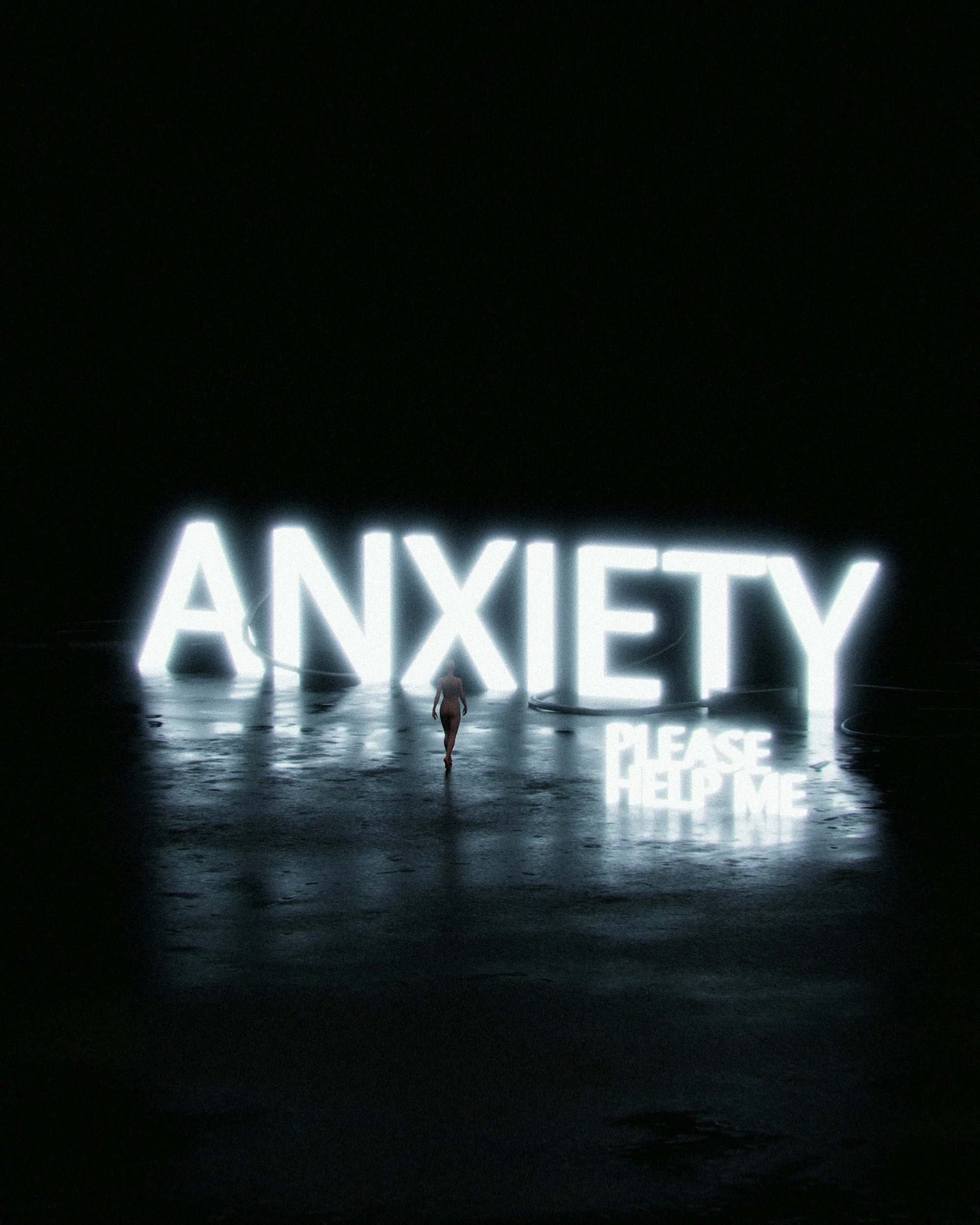
Anxiety is often seen as something to get rid of as quickly as possible. But from a therapeutic perspective, it is more helpful to approach it as a message. It is a signal that something within our system is out of balance. It may be pointing to unmet needs, unresolved emotions, or patterns that are no longer supportive, a lack of confidence or experience in facing challenges.
When we learn to listen to anxiety, rather than immediately resist it, we begin to understand what it is trying to communicate. This is where change becomes possible. Healing anxiety is not about finding one single solution. It is about understanding the root causes and developing ways to respond differently.
There are many approaches that can support this process, including mindfulness, meditation, breathwork, emotional awareness practices, and therapeutic support. From my experience, what matters most is not the technique itself, but the relationship we develop with our internal state.
When we begin to feel safe within ourselves, anxiety naturally starts to reduce.
The Role of Supportive Self Talk
Anxiety often creates cycles of negative and repetitive thinking.
These thoughts reinforce fear and uncertainty, feeding the nervous system with a constant sense of threat.
Positive affirmations can help interrupt this cycle.
They offer an alternative narrative, one that supports safety, stability, and self-trust.
By consciously introducing more supportive thoughts, we begin to rebalance the internal dialogue and gradually influence how the unconscious mind responds to triggers.
This is not about denying reality, but about expanding it.
Anxiety vs Stress: What’s the Difference?
Anxiety and stress are often used interchangeably, but they are not the same. Stress is usually linked to something external. It arises in response to specific situations, such as work pressure, deadlines, or life demands. Once the situation changes or resolves, the stress often reduces. Anxiety, on the other hand, can persist even when there is no clear external cause.
It is more internal, often linked to anticipation, worry, or unresolved emotional patterns. It can continue in the background, creating a sense of unease that is not always connected to the present moment. Understanding this difference can be important. Stress asks for practical adjustments and rest. Anxiety often asks for deeper awareness, regulation, and emotional processing.
Final Reflection
Anxiety is a complex experience, but it is also a meaningful one. It reflects how we relate to ourselves, to others, and to the world around us. Rather than seeing it only as something to fix, we can begin to approach it with curiosity and awareness. Because within anxiety, there is often an invitation. An invitation to slow down, to listen, and to reconnect with what truly matters.

Guided Practice: How to Calm Anxiety in the Moment
When anxiety rises, it can feel immediate and overwhelming, as if something needs to be fixed right now. In those moments, the goal is not to eliminate anxiety instantly, but to create enough safety in the body so the intensity can soften. Anxiety activates the nervous system. The body moves into a state of alert, even when there is no real danger present. Trying to “think your way out” of this state often increases frustration.
Instead, it can be more helpful to gently bring attention back to the body. Let your exhale be slightly longer than your inhale. As you breathe, bring awareness to your body. Notice where you feel tension. Notice where you feel contact with the ground or the chair. You may place one hand on your chest or your abdomen, allowing a sense of support. There is nothing you need to fix. Just stay with the experience, allowing the body to gradually settle. If thoughts arise, let them pass without engaging with them. Stay with the breath. Stay with the body. Even a few moments of this awareness can begin to shift your internal state.
From a therapeutic perspective, these moments are not failures. They are opportunities to build a different relationship with your internal experience.
What is anxiety?
Anxiety is a state of emotional and physical tension that can range from mild discomfort to intense fear, often linked to stress, worry, or unresolved experiences.
Why is anxiety increasing in modern society?
Anxiety is increasing due to constant stimulation, social pressure, digital exposure, and lack of emotional regulation support.
Why do children experience anxiety?
Children may experience anxiety due to environmental stress, lack of emotional tools, and exposure to overwhelming stimuli.
If this resonates with your experience, I offer trauma-informed somatic counselling in Brighton and online, supporting people to move from reactive relational patterns to embodied, authentic connection. You’re welcome to book a free discovery call to explore working together.