
The importance of relational balance and confidence. Exploring and strengthening the connections with our inner world.
Relationships are one of the most powerful mirrors we encounter in life. Through relationships we discover aspects of ourselves, learn how we respond emotionally, and deepen our understanding of who we are. However, maintaining balance within relationships requires something essential: a stable and conscious relationship with ourselves. Relational balance is not simply about managing interactions with others. It begins with the ability to listen to our inner world, recognise our needs and develop confidence in expressing them.

What Is Relational Balance?
Relational balance refers to the ability to maintain a healthy and conscious equilibrium between our own needs and the needs of others within relationships. It is not about perfection, constant harmony or avoiding conflict. Instead, relational balance is the capacity to stay connected to ourselves while remaining open and responsive to the people around us.
Many people assume that balanced relationships should feel effortless and free of tension. In reality, relationships are dynamic and constantly evolving. Differences in needs, emotions and expectations are inevitable. Relational balance therefore involves the ability to navigate these differences with awareness, communication and mutual respect.
When relational balance is present, individuals can express themselves honestly without losing their sense of identity or compromising their emotional well-being.
The Foundations of Relational Balance
Relational balance develops through a combination of self-awareness, emotional maturity and communication. Without these elements, relationships can easily move toward imbalance, where one person's needs dominate or where individuals suppress their own needs to maintain connection.
Healthy relational balance often includes:
the ability to recognise and communicate personal needs
respect for personal boundaries and autonomy
emotional responsibility for one's own reactions
openness to listening and understanding the other person
flexibility and willingness to adjust when necessary
These elements create a relational space where both individuals feel seen, respected and valued.
Why Relational Balance Is Often Difficult
Many of our relational patterns originate in early life experiences. If we grew up in environments where emotional needs were not acknowledged or where boundaries were unclear, we may struggle to find balance in adult relationships. Some people learn to prioritise others constantly, becoming highly accommodating in order to maintain connection. Others may develop protective behaviours such as emotional withdrawal or control.
Common relational imbalances can appear as:
difficulty expressing personal needs
fear of conflict or rejection
excessive responsibility for others’ emotions
emotional dependency or avoidance
feeling overwhelmed or drained within relationships
These patterns are often unconscious and can repeat across multiple relationships until they are recognised and explored.
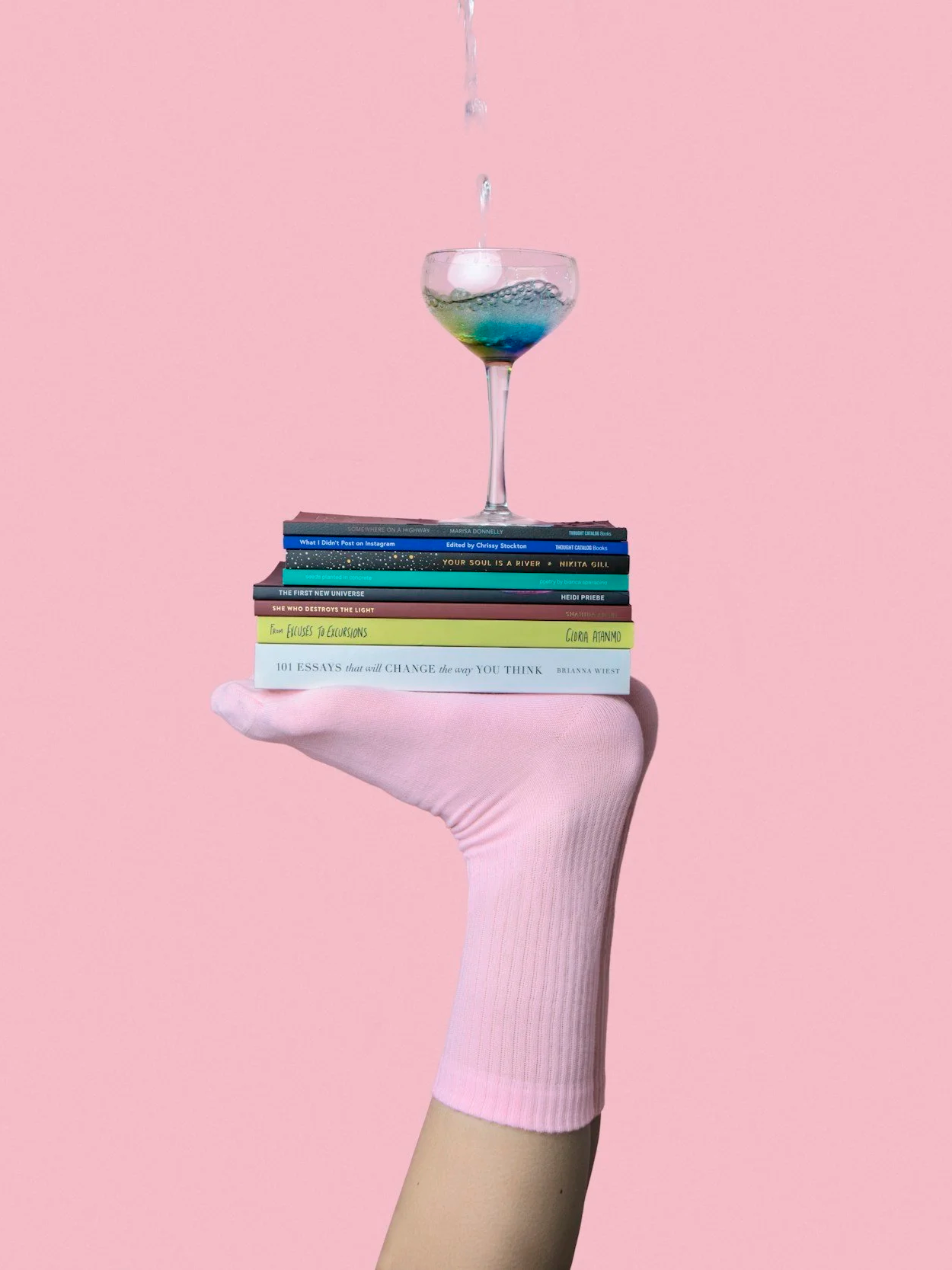
The Role of Self-Awareness: Balance Does Not Mean Losing Yourself
Relational balance begins with the relationship we have with ourselves. When we understand our emotional needs, boundaries and triggers, we are better equipped to communicate clearly within relationships However, many people struggle to connect with their core sense of self. This difficulty may stem from past emotional wounds, dysfunctional relational patterns or environments where personal expression was not encouraged.
Some common experiences that disrupt personal balance include:
growing up in environments with little emotional safety
experiencing controlling or dysfunctional relationships
lack of personal space or autonomy
overwhelming emotional experiences that remain unresolved
When these experiences accumulate, individuals may feel confused about their needs or disconnected from their inner world. Developing balance requires creating space to recognise all parts of ourselves, even those we may have rejected or hidden.
One of the most common misconceptions about relationships is the idea that love requires sacrificing our individuality. While relationships do involve compromise and cooperation, healthy balance does not mean abandoning personal identity. True relational balance allows both individuals to maintain their sense of self while building a shared relational space.
This means that both partners can:
have personal interests and friendships
express differences without fear
take space when needed
support each other's growth and autonomy
When space and individuality are respected, relationships often become stronger rather than weaker.
Developing Confidence & Awareness in Relationships
Confidence plays a crucial role in relational balance. Entering a relationship with the belief that we are “good enough” allows us to interact from a place of stability rather than insecurity. When individuals trust their own worth and emotional capacity, they are less likely to depend entirely on external validation.
Confidence supports:
emotional independence
healthy boundaries
the ability to adapt and grow
mutual trust within relationships
When individuals feel secure within themselves, relationships become spaces for connection rather than survival.
communicate needs clearly
tolerate temporary discomfort or disagreement
respect their own boundaries
remain emotionally grounded during conflict
This internal stability creates a sense of security that supports healthier relational dynamics.
Relational balance is not something that is achieved once and maintained forever. Like many aspects of emotional life, it requires continuous awareness and adjustment. Relationships evolve as individuals grow, circumstances change and new challenges arise. Maintaining balance therefore involves ongoing communication, reflection and openness to change.
Rather than striving for a perfect relationship, relational balance invites us to develop a deeper understanding of ourselves and others. From this place of awareness, relationships become spaces for growth, learning and authentic connection.
Also developing self-awareness allows us to ask important questions such as:
What do I need in order to feel safe and respected in this relationship?
Am I expressing my needs openly or suppressing them?
Am I responding from awareness or reacting from past wounds?
This process of reflection helps individuals reconnect with their inner world and make conscious choices in relational dynamics.

The Fluidity of Balance in Daily Life
Life requires a certain degree of softness and adaptability. When we encounter resistance or challenges, rigidity often creates more tension.
External pressures, daily stressors and relational dynamics can easily disconnect us from our internal centre. This is why balance cannot be maintained permanently.
Moments of imbalance are not failures. They are signals that help us recognise our needs more clearly.
Through these moments we can learn to:
identify emotional needs that require attention
recognise when boundaries are necessary
adjust to internal or external transitions
reconnect with our physical and emotional states
Instead of rejecting imbalance, learning to observe and regulate these shifts allows us to move toward a more authentic sense of alignment.
The Role of Personal Space in Relationships
For many years I struggled with the idea that needing space within relationships meant something was wrong. I felt guilty about wanting time alone, spending time with friends independently, or even taking holidays by myself. Because of this guilt, I denied myself the space I needed. Eventually this led to emotional exhaustion and dissatisfaction within my relationships. I found it difficult to communicate my needs because I feared my partner would misunderstand and take it personally.
After many attempts and reflections, I realised something very important. Without space, there is no movement.
Space allows relationships to breathe. It allows individuals to reconnect with themselves, return with renewed energy and maintain a sense of personal identity. Once I began expressing this need honestly, the quality of my relationships improved significantly.
Curiosity as a Tool for Relational Balance
In relational dynamics, curiosity is one of the most powerful tools we can cultivate. Curiosity allows us to replace judgment with openness. Instead of reacting defensively or making assumptions about others, we begin to ask questions and explore different perspectives.
When we approach relationships with curiosity, several shifts occur:
we become more tolerant of differences
we soften rigid beliefs about others
we move from “me versus you” toward “us”
Curiosity also helps regulate the ego. It reminds us that every person carries their own history, experiences and emotional needs. Every relationship creates its own unique dynamic, something larger than the two individuals involved. Maintaining balance within that space sometimes requires adjustments or sacrifices. However, sacrifice does not necessarily mean loss. The word itself originally meant “to make sacred.” When we consciously prioritise relational understanding, we deepen connection and create opportunities for growth.
Emotional Growth and the Inner Child

Relational balance often requires emotional growth. Many of our relational needs originate from the inner child, the part of us that still carries early emotional experiences. When unresolved wounds remain active, relationships may become spaces where these unmet needs are repeatedly expressed. Conflict often arises when two inner children interact, both seeking validation, reassurance or recognition. As emotional maturity develops, we gradually learn to:
recognise emotional triggers
communicate needs honestly
negotiate relational differences
respond rather than react
Understanding our attachment styles can also offer important insight into how we approach intimacy, trust and vulnerability. Self-exploration therefore becomes an ongoing process that supports healthier relationships.
Balance as an Ongoing Journey
Balance is not a final destination. It is a continuous journey of adjustment, awareness and personal evolution.
As we move through different stages of life, our needs, priorities and relationships change. Maintaining balance therefore requires openness to transformation.
By remaining present, curious and honest with ourselves, we can navigate relational complexity with greater confidence and clarity.
Ultimately, relational balance begins within.
When we learn to listen to our inner world, respect our needs and communicate them with confidence, we create the foundation for relationships that are both authentic and nourishing.
Signs a Relationship Is Out of Balance
Relational imbalance can appear in subtle ways and may go unnoticed for long periods. When balance is lost, individuals often begin to feel emotionally drained, misunderstood or disconnected from themselves. Some common signs of relational imbalance include:
constantly prioritising others’ needs while neglecting your own
feeling guilty when expressing personal boundaries
difficulty asking for space or independence
emotional exhaustion within the relationship
frequent misunderstandings or unresolved conflicts
Recognising these signs can help individuals become more aware of the relational dynamics they are participating in and begin making adjustments that restore a healthier equilibrium.
How Therapy Can Support Relational Balance
Developing relational balance is not always easy, particularly when long-standing emotional patterns or attachment dynamics are involved. Therapy can offer a dedicated space where individuals explore their relational patterns, emotional responses and internal conflicts with curiosity and support. Through this process, people begin to understand the origins of their relational behaviours, recognise emotional triggers and attachment patterns, develop healthier communication and boundaries, and reconnect with their core sense of self.
Over time, this work often leads to greater emotional confidence, clearer relational dynamics and a deeper sense of balance both internally and within relationships. In my work, I explore relational balance through an integrative, somatic and psychoenergetic approach, recognising that relational difficulties are rarely purely psychological; they are also connected to the body, emotional memory and unconscious relational patterns. By developing awareness across these different layers, mental, emotional, physical and relational, individuals can gradually reconnect with their inner world and cultivate relationships that feel more authentic and balanced.
Relational balance does not mean eliminating conflict or differences, but learning how to remain connected to oneself while engaging openly, honestly and respectfully with others.