Mindful Avoidance: When Mindfulness Becomes Emotional Bypassing
Healing or Hiding?
When Mindfulness Becomes Avoidance in Disguise
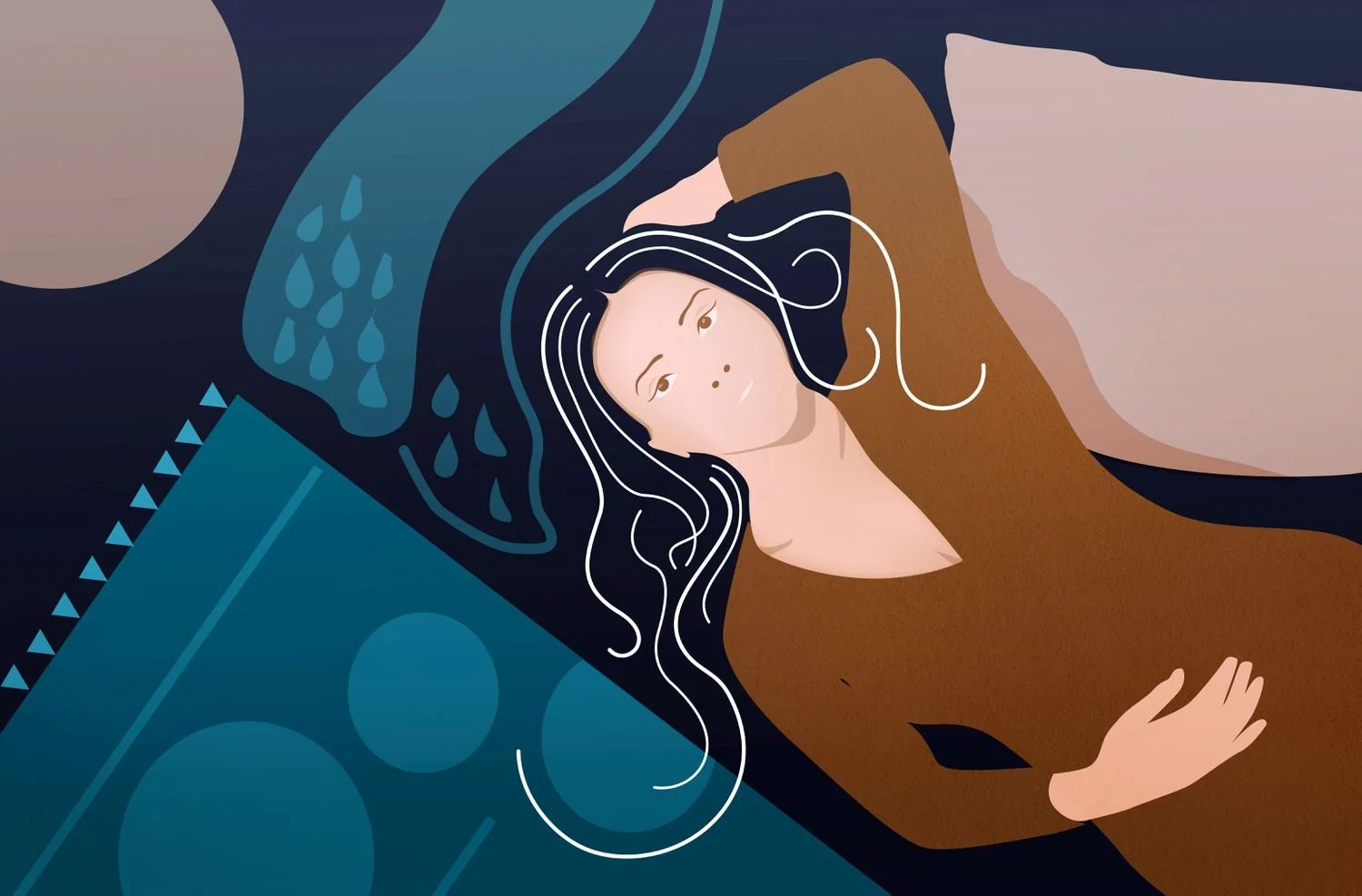
In today’s world mindfulness and other therapeutic practices are often marketed as quick solutions for emotional pain or discomfort. Meditation apps, breathing techniques and self-help content promise calmness, clarity and relief within minutes.
The problem with this approach is that mindfulness can start to be used in the same way we use medication, as a tool to suppress symptoms rather than understand them. Instead of sitting with discomfort, we try to regulate it away immediately.
Mindfulness then becomes a strategy for avoiding emotions rather than understanding them. But true mindfulness was never meant to function this way.
Mindfulness is not about escaping emotional discomfort or soothing pain instantly. It is about learning to remain present with the full experience of being human, including confusion, resistance, sadness, anger and vulnerability.
Emotional Bypassing and the Illusion of Calm
When mindfulness is used to avoid difficult emotions it can create a subtle form of detachment from the underlying experience. The surface of the mind becomes calm, but the deeper emotional material remains untouched. Psychologists often describe this phenomenon as emotional or spiritual bypassing, using spiritual practices to avoid confronting unresolved emotional wounds.
Instead of processing emotions, we simply pause them. It can feel productive because the nervous system temporarily relaxes, but unresolved emotions do not disappear. They remain stored within the body and psyche, often resurfacing through anxiety, relational conflicts or recurring patterns. True emotional healing requires more than calming the mind. It requires feeling, understanding and integrating emotions rather than avoiding them.
In a culture that often rewards appearances and curated identities, authenticity becomes a powerful force for healing. Many people feel pressured to present a polished version of themselves, hiding their struggles or uncertainties. Yet genuine connection happens when people allow themselves to be seen as they truly are. Authenticity requires vulnerability.
When we lead by example, acknowledging our humanity rather than disguising it, we create spaces where others can also feel safe to be real.

Healing Is Not a Product
WhateAs wellness and healing practices have become increasingly commercialised, In this framework healing starts to look like a lifestyle aesthetic: calm, peaceful, balanced, always positive.
But human experience does not work that way. There is a growing cultural pressure to maintain positivity at all costs. Phrases such as “just stay positive,” “focus on gratitude,” or “raise your vibration” can unintentionally invalidate real emotional experiences.
Emotions such as grief, anger, jealousy, shame or frustration are often treated as problems that need to be eliminated. Yet these emotions are essential signals within our psychological system. They inform us when boundaries have been crossed, when something meaningful has been lost, or when deeper needs are not being met. True healing does not happen by masking discomfort.
Transformation begins when we are able to be present with pain without immediately trying to remove it.
When people are looking for quick fixes, like turning to mindfulness just for temporary relief, they miss the deeper, messier work of feeling and healing. It’s almost as though they’re using these tools as a way to avoid the difficult stuff, which then prevents true healing from happening.
True healing doesn’t happen by masking discomfort. In fact, the real transformation comes when we can BE with our pain without judgment and truly accept what’s going on inside. It’s easy to get trapped in the mindset that healing means eliminating discomfort, but healing is not about bypassing feelings. It’s about learning how to listen to discomfort, accept it, and integrate it into our experience. ver it is, the way you tell your story online can make all the difference.
Healing Is Cyclical, Not Linear
I notice how in some of us, there is an underlying belief that we should have it all figured out or that healing means we’ve “arrived” at some ideal state. Healing is not a straight road; it is rather cyclical, and as it should be, life continues to present us with new layers to work through. It’s about being present with what comes up, instead of thinking we should be somewhere else or have "gotten over" something by now. This mentality keeps us stuck in the idea that their pain means they haven’t done enough work, which isn’t true. It’s just part of the ebb and flow of life.
Over these years, I have and still find myself many times revisiting layers of my life, without denying it at times with great frustration! But each time, I have found new meaning and learning essential to my process and life. This is where real resilience builds, and the uncomfortable truth I have experienced is that the world doesn’t and can’t always meet our needs for comfort and validation; we need to learn how to live in peace within discomfort and without the constant need for validation, approval or being seen …
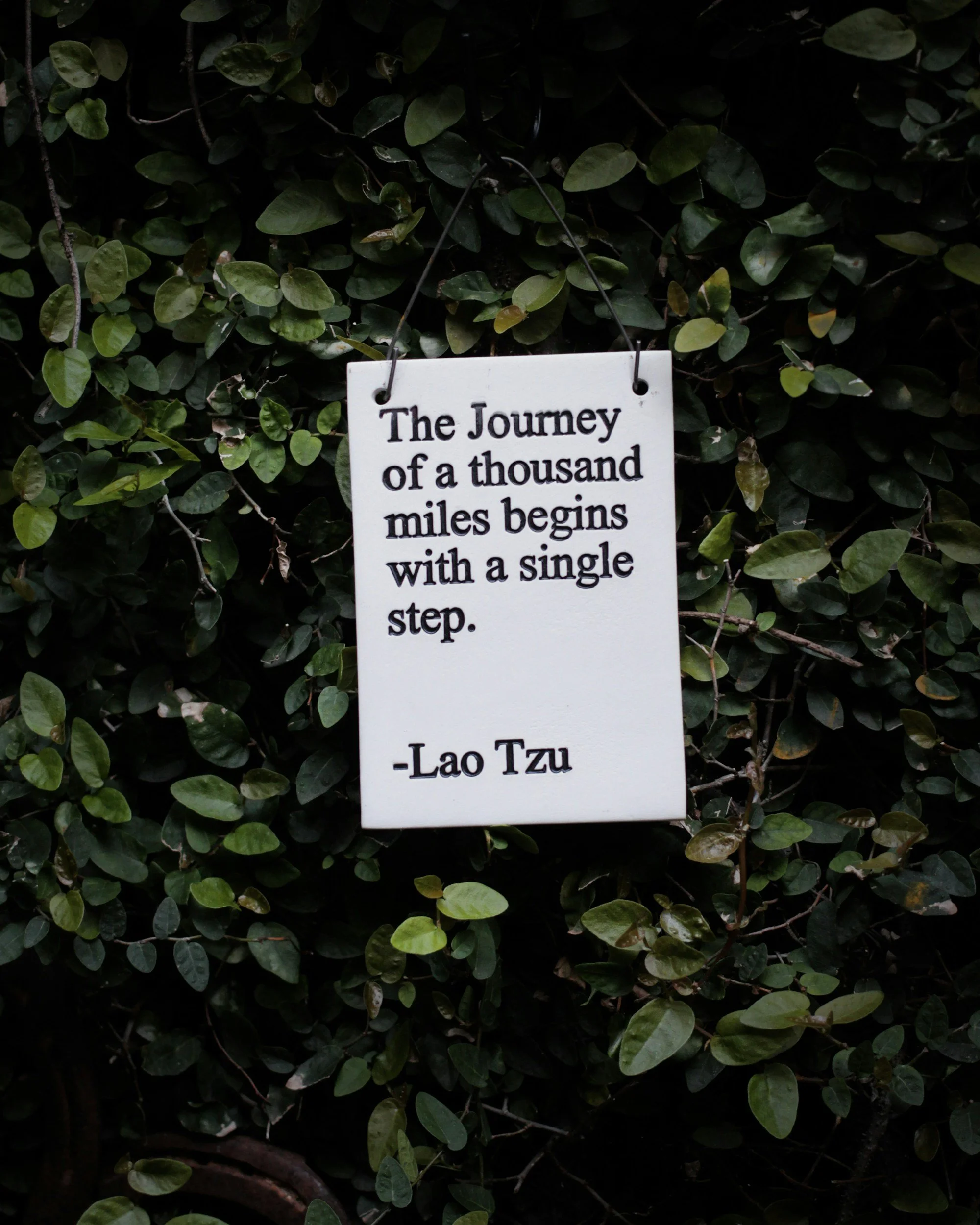
Motivation Is Not the Key | Learning to Work With Resistance
Modern culture tends to place a lot of emphasis on motivation as the driving force behind change. But motivation is unreliable. It comes and goes depending on mood, energy levels and circumstances. If personal growth depends entirely on motivation, progress will often collapse when motivation disappears. What creates lasting transformation is commitment, consistency and the ability to work with resistance.
Resistance appears in many forms:
procrastination
self-doubt
avoidance
fear of change
self-sabotageThe Role of Resistance in Personal Growth
These reactions are not signs that something is wrong. They are simply part of the human process of growth. When beginning any new practice, therapy, meditation, self-reflection, resistance often appears strongly. Instead of fighting it, we can learn to observe it with curiosity. Often the areas where resistance appears are precisely the areas where the greatest transformation is possible.
As I often say to my clients: Gold is usually hidden where resistance lives.

Small Steps Create Sustainable Change
One of the principles I emphasise in my work is that growth is gradual. People often approach personal development expecting dramatic transformations in a short amount of time. This expectation usually leads to disappointment and discouragement.
Real change happens through small and consistent steps. Whether someone is learning emotional regulation, improving communication or developing healthier relational patterns, transformation happens through repetition and integration.
Small shifts accumulate over time. The nervous system and brain adapt through consistent experiences, creating new neural pathways that eventually feel natural.
Embrace Resistance as as part of the Journey
It’s important to understand that resistance is not a barrier to progress but an integral part of the process. Every person who embarks on the journey of self-transformation will experience resistance in some form. It may manifest as procrastination, fear, self-doubt, avoidance, or the tendency to self-sabotage. It’s easy to become discouraged by these feelings, but when we understand that resistance is simply part of the human experience, we can begin to work with it more constructively.
The challenge, however, is learning how to acknowledge resistance without wanting that to change or go away. Resistance doesn’t mean something is wrong; it just means we’re facing something different and uncomfortable that also holds potential, and rather than trying to avoid it or suppress it, we can approach it with curiosity and patience.
Over time, as we work through resistance, it becomes easier. Instead of seeing it as an obstacle, we learn to view it as a teacher guiding us toward deeper self-awareness.
The Perfection of Contrast
One of the most profound realisations in personal development is understanding that we are made of contrasts. We often try to eliminate parts of ourselves that we consider flawed or undesirable. But transformation is not about becoming perfect.
It is about becoming more honest.
Our fears, insecurities, immaturity and emotional wounds are not proof that something is wrong with us. They are simply aspects of our humanity that are still evolving.
When we reject these parts we create internal conflict. When we acknowledge them we create space for integration.
In my work I encourage clients to approach all parts of themselves with curiosity rather than judgment. These parts are not enemies; they are signals pointing toward areas that require attention and compassion.
Growth Is an Ongoing Process Not a Destination
Many people approach personal development as if it were a destination. But growth is not something we complete. It is an ongoing process of awareness, integration and evolution.
There will be periods of clarity and periods of confusion. Breakthroughs and setbacks. This understanding can be liberating because it removes the pressure to “arrive” somewhere.
The purpose of personal growth is not perfection. It is greater alignment with who we are becoming in the present moment.
Designing Your Own Transformation

One of the most empowering realisations in personal growth is recognising that we are not fixed versions of ourselves. We are constantly evolving. Self-design means taking responsibility for our transformation rather than waiting for change to happen externally. This process involves:
recognising emotional distortions
questioning unconscious beliefs
observing behavioural patterns
making intentional choices about how we want to live
It is about gradually removing the layers of self-deception and social conditioning that obscure our authentic nature. When we see ourselves clearly, without the emotional overlays or unrealistic expectations, we can finally begin to relate to ourselves with compassion. And that is where true freedom begins.
Trust the journey as it unfolds.
Healing is not about avoiding pain. It is about learning to meet life, and ourselves, with honesty, patience and courage.
If this resonates with your experience, I offer trauma-informed somatic counselling in Brighton and online, supporting people to move from reactive relational patterns to embodied, authentic connection. You’re welcome to book a free discovery call to explore working together.