Broken Healers: Why Therapists Need Therapy Too

In this article I want to acknowledge some delicate topics. My intention is not to offend or generalise, but simply to share my personal reflections and experience within the healing field. This reflection is about the healing path, particularly for those who feel called to become therapists, healers or coaches.
When I first began my training, one thing surprised me. Many people training to become therapists had never been in therapy themselves for a prolonged period of time. That raised an important question for me. How can we offer a service if we have never truly experienced that service ourselves?
If you are learning to guide others through deep emotional work, it seems essential to understand what that journey feels like from the inside.
The Healing Journey of a Therapist: Why Therapists Also Need Therapy
During my early trainings I often noticed a strong expectation among students to receive healing from fellow trainees. But the reality was that everyone in the room was still learning. Many of us were beginners, still discovering what it meant to hold space for others. Receiving healing only within a training environment often felt incomplete. What I needed was someone with real experience, someone who understood how to hold complex emotional processes and support integration afterwards.
This realisation pushed me to begin my own personal healing journey. I understood that if I wanted to offer an authentic and professional space to others, I needed to engage in the same inner work myself. If I didn’t know how to face my own inner conflicts, how could I support someone else through theirs?
As I progressed in my journey and eventually began working with clients, something became even clearer: therapists also need support. Holding space for others requires emotional maturity, self-awareness and continuous reflection. Without ongoing personal work, it is easy for unresolved issues to interfere with the therapeutic relationship.
Therapists benefit from:
personal therapy
professional supervision
integration and reflection
ongoing training and development
These forms of support allow therapists to process what arises in their work, maintain emotional clarity and continue growing personally and professionally. Healing work can be deeply rewarding, but it can also be emotionally demanding. Without proper support, therapists risk becoming overwhelmed or unconsciously projecting their own unresolved dynamics into their work.
Misconceptions About Healers and Spiritual Work
Another reflection I’ve had over the years concerns the way healing work is sometimes presented online. On social media it is common to see advertisements promising quick transformation, miraculous healing or instant spiritual awakening. But healing rarely works that way.
Healing is not a quick fix. It is a process that requires time, integration and emotional depth and is ongoing... Unfortunately, the holistic field is not always well regulated. Some training programs promise that people can become therapists or healers after completing short courses without real-life experience working with clients.
In reality, working with people’s emotional and psychological experiences requires:
maturity
responsibility
years of ongoin trainings
supervision
Balance bewteen humany & ethical boundaries
Intuition and spiritual sensitivity can be valuable qualities, but intuition alone is not enough when someone comes to you carrying deep trauma. Healing work requires practical tools, psychological understanding and embodied awareness.
The Importance of Boundaries in Healing Work
One of the biggest challenges I have observed in the healing field is the lack of clear professional boundaries. Many healing practices come from the heart, and that is beautiful. But compassion without structure can become problematic. Without healthy boundaries, therapists risk:
emotional entanglement with clients
unclear expectations
ethical confusion
burnout or exhaustion
Boundaries are not always simple to define, but is essential to lern how to define what our offering, and how to hold a professional relationship.
The Problem of Fragmented Healing
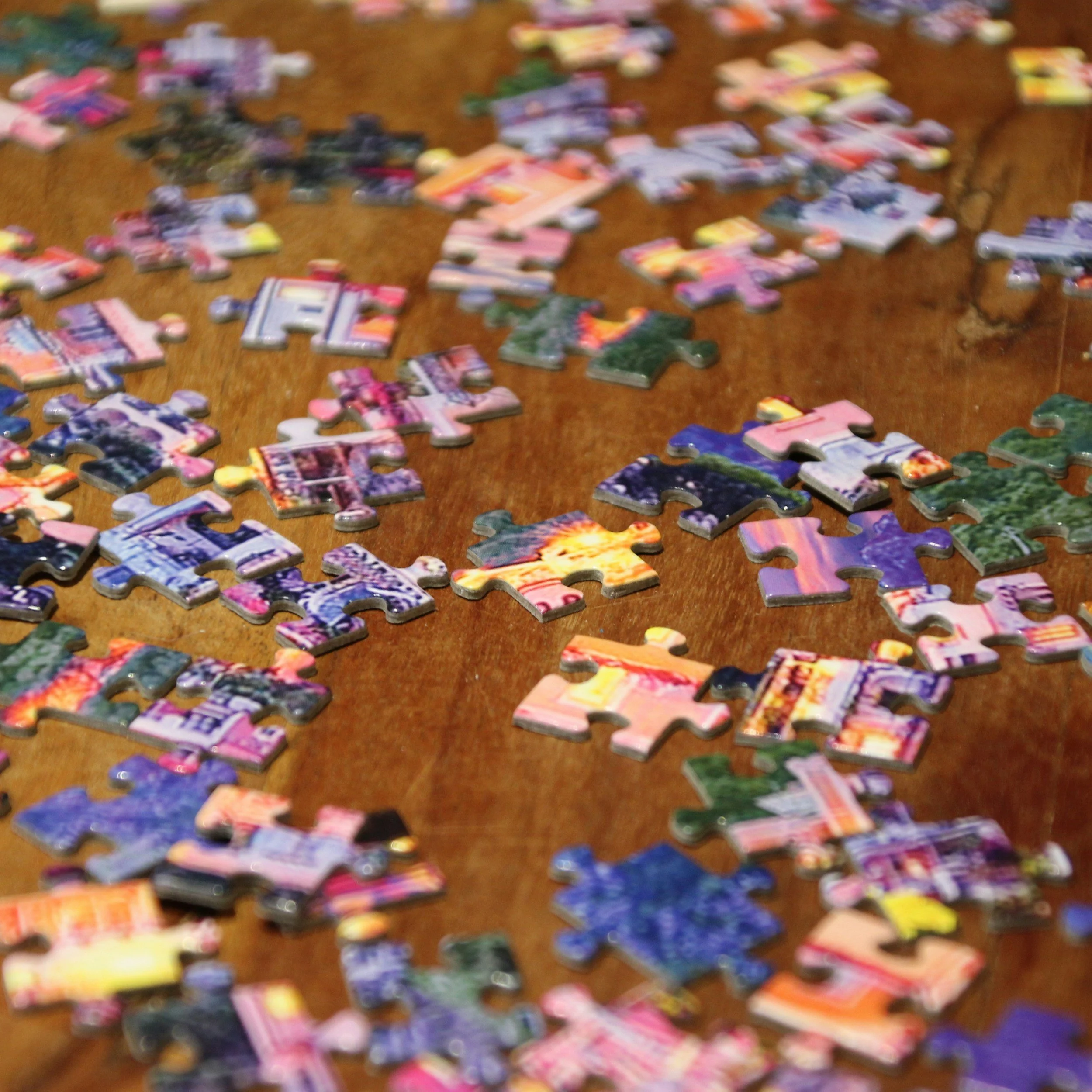
Another pattern I have observed is the tendency to jump from one workshop to another, from one healer to another, collecting experiences without allowing time for integration, discerment or reflection. You might not agree with me, but I believe that too many healing experiences without integration can fragment the self. When people constantly seek new techniques or spiritual practices without grounding the experience, the nervous system can become overstimulated.
This may lead to:
emotional confusion
energetic overwhelm
disconnection from the body
difficulty integrating insights into daily life
Healing requires time to digest what has been experienced. Just like the body needs time to process food, the psyche needs time to process emotional and spiritual experiences.
Healing Is Not Instant Transformation
In many healing spaces there is a strong emphasis on high vibrations, cosmic alignment, spiritual awakening and dramatic release. While these dimensions can be meaningful, something crucial is sometimes overlooked. Healing is not only about connecting with higher energies or crying and shouting for hours. It is also about meeting the emotional wounds we carry inside with meaning and intention. Many of these wounds originate in childhood and are connected to parts of ourselves that never fully developed.
Healing involves:
understanding emotional pain
reconnecting with the body
integrating past experiences
developing emotional maturity
If someone has experienced trauma for many years, healing cannot realistically happen in a week, not even in months! Just as losing twenty kilos in a week would not be healthy for the body, sudden emotional transformation without integration can be destabilising.
The Role of the Body in Healing
One of the most important lessons I have learned is that the body cannot be bypassed in the healing process. I have met people with extraordinary spiritual gifts, yet they were deeply disconnected from their physical reality. The body never lies. True healing often begins with reconnecting with the body, because the body stores emotional memories and unresolved experiences.
When we begin to listen to bodily sensations, emotions and reactions, we start to reconnect with parts of ourselves that were previously ignored or suppressed. The body becomes the gateway for deeper levels of awareness and transformation.

Healing Requires Responsibility
Often people say: “I’ve already worked on this.” But the real question is: on what level? Did we address the issue only intellectually? Spiritually? Or did we truly engage with the emotional and embodied dimensions of the experience? and most importantly are you till open to learn and welcome life and its repetitions?
Real healing often requires approaching a wound multiple times, from multiple perspectives:
mental understanding
emotional processing
physical awareness
energetic balance
spiritual meaning
Many of our wounds originate from a deeply hurt inner child, parts of ourselves that did not have the opportunity to grow or develop in healthy ways. One of the most powerful indicators of healing is how we respond to life and relationships. When something has truly been integrated, we begin to respond rather than react. We act from awareness rather than from wounded patterns.
A Lifelong Path
The healing path has no clear beginning or end. It is a lifelong journey that we may step into and out of at different moments of our lives. It is not about fixing ourselves. It is about understanding the roots of our misalignment and gradually bringing more awareness, compassion and responsibility into our lives.
Every person who chooses to heal contributes to the transformation of the world. Because humanity reflects what we carry inside ourselves. When individuals begin to take responsibility for their inner world, they open the possibility for change, both personally and collectively.
Final Reflection
If you recognise yourself in some of these reflections, if you feel fragmented, overwhelmed by spiritual practices or unsure where you are on your healing path—perhaps this message is simply an invitation to slow down and reflect. Healing is sacred work. It deserves time, investment, patience and care.
And sometimes the most important step is simply asking yourself: Where am I in my journey right now?
What are my gifts? And what would my life look like if I could respond to life instead of reacting to it?