What Is Trauma? Understanding Emotional and Relational Trauma
What Is Trauma?
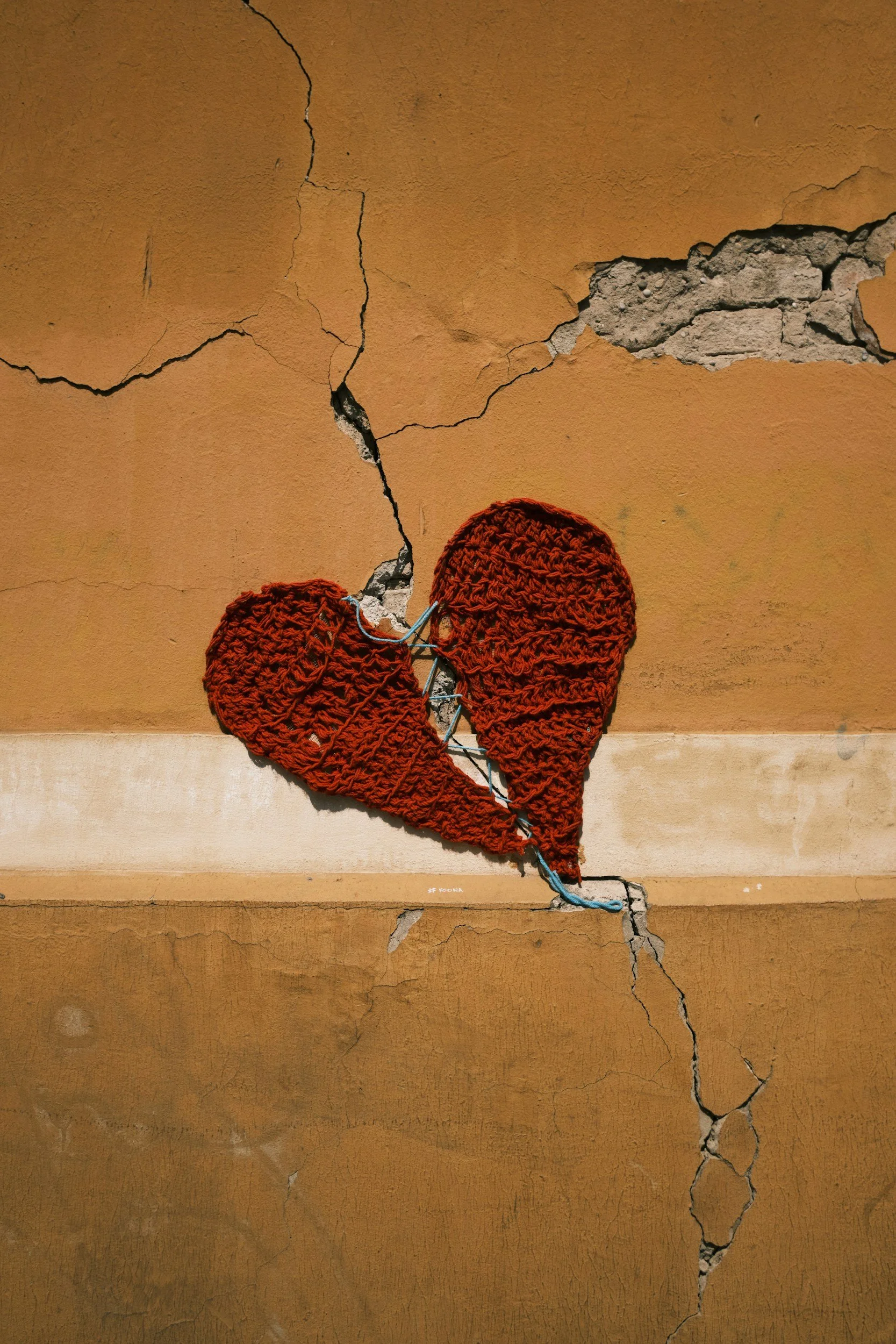
The word trauma means wound or fracture. In ancient Greek, τραῦμα also carried the meaning of defeat. Historically the term referred to a physical injury, but today it is widely used to describe psychological and emotional wounds. Trauma occurs when an experience overwhelms a person's ability to cope, process or integrate what has happened. In these situations, a part of the self may remain emotionally “stuck” in the traumatic experience. When a person cannot fully process a distressing event, the intense emotional charge connected to that experience may remain stored within the mind and body. This unprocessed material can influence how a person perceives situations, responds to stress and relates to others.
Trauma can interfere with the brain’s ability to discern and filter stimuli from reality, disrupting perception, emotional regulation and cognitive processes.
Signs and Symptoms of Trauma
Trauma can manifest in different ways depending on the individual and the nature of the experience. Some people develop clear symptoms shortly after the event, while for others the effects may appear gradually over time. Common signs of trauma may include:
avoidance of certain situations, memories or people
dissociation or feeling disconnected from oneself
anxiety or hypervigilance
insomnia or sleep disturbances
intense anger or emotional reactivity
intrusive memories or flashbacks
PTSD (post-traumatic stress disorder)
chronic pain or unexplained physical conditions
Trauma can also lead to repetitive thoughts, behavioural patterns and relational dynamics. People may find themselves repeating similar experiences in relationships or feeling triggered by situations that resemble past events. Prolonged exposure to traumatic situations can generate serious difficulties in interpersonal relationships, changes in mental functioning, confusion in emotional responses and a general loss of confidence or trust.
Types of Trauma
Trauma can arise from many different experiences. Not all trauma comes from a single dramatic event; sometimes it develops through repeated or long-term exposure to distressing circumstances.
Examples of traumatic experiences may include:
physical or emotional abuse
neglect during childhood
accidents or medical trauma
loss of a loved one
exposure to violence or conflict
betrayal or relational abuse
prolonged stress or instability
In psychology, trauma is sometimes described as acute trauma, chronic trauma or complex trauma, depending on the duration and repetition of the experience.
What Is Relational Trauma?
Relational trauma, sometimes referred to as attachment trauma, occurs when harmful experiences repeatedly happen within close relationships. Because human beings develop through relationships, trauma that occurs within these bonds can have a profound impact on emotional development and identity. Relational trauma often develops through repeated experiences such as:
betrayal of trust
chronic neglect
emotional manipulation
physical or emotional abuse
unpredictable or inconsistent caregiving
These experiences can deeply affect the way individuals understand connection, safety and trust.
Key Aspects of Relational Trauma
Relational trauma can influence multiple areas of a person's life and development.
Attachment disruption
Secure attachment relationships are essential for healthy emotional development. Children who experience neglect, abuse or inconsistent care may develop insecure or disorganised attachment patterns that influence adult relationships.
Chronic stress
Repeated exposure to distress within relationships can create long-term stress responses in the nervous system, affecting mental, emotional and physical health.
Impact on identity
Relational trauma can alter self-perception and self-esteem. Individuals may internalise negative beliefs about themselves or feel unworthy, unsafe or disconnected from their own identity.
Difficulty in future relationships
People who have experienced relational trauma often struggle with trust, intimacy and emotional safety. They may fear abandonment, avoid closeness or develop dependency patterns.
Complex PTSD (C-PTSD)
Prolonged relational trauma can contribute to complex post-traumatic stress disorder, a condition characterised by difficulties with emotional regulation, identity, memory, self-perception and interpersonal relationships.
Trauma and the Nervous System
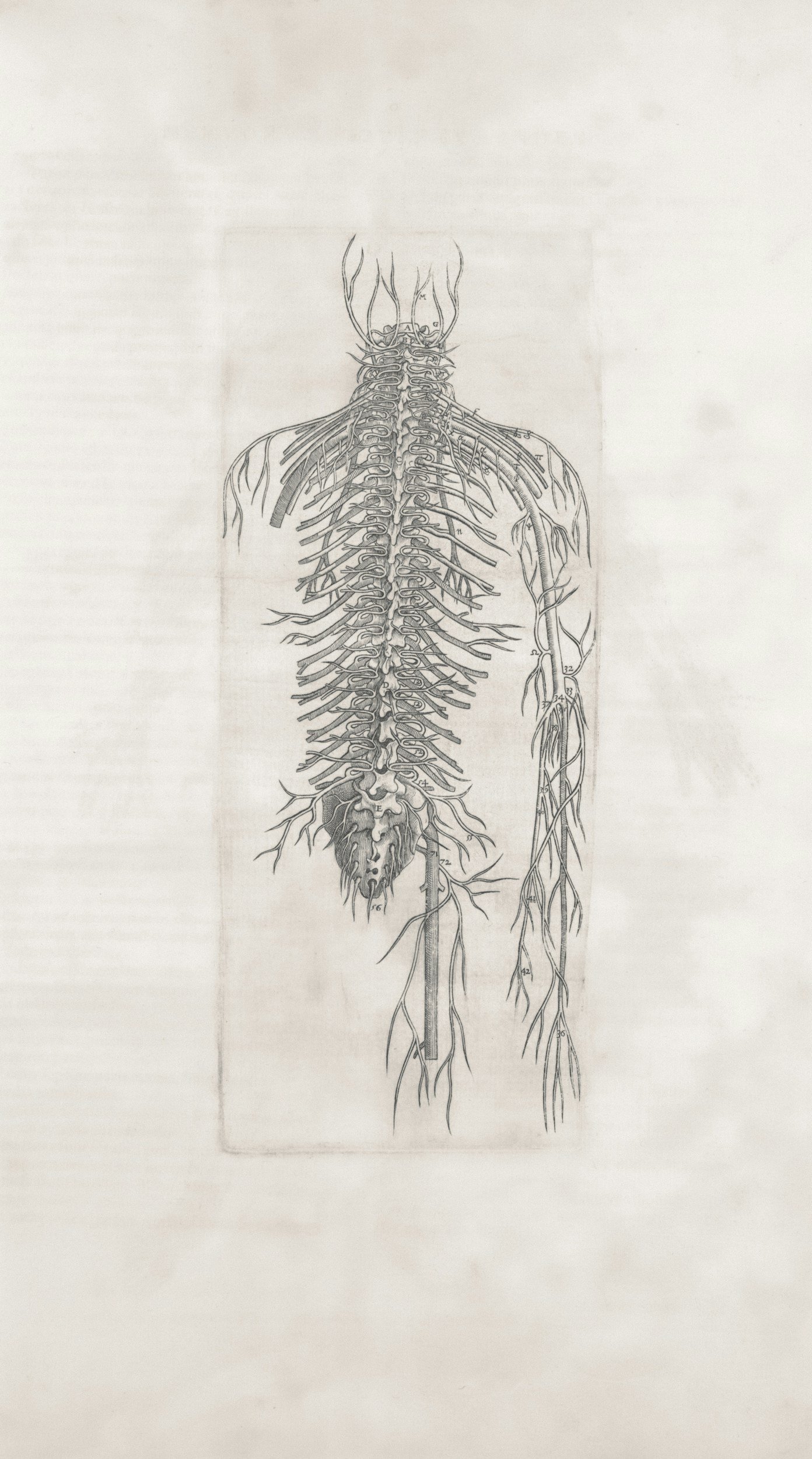
Trauma does not only affect the mind; it also impacts the nervous system and the body. When a person experiences overwhelming stress, the nervous system may activate survival responses such as fight, flight, freeze or shutdown. If the experience cannot be processed or resolved, the body may remain stuck in these defensive states. This can lead to symptoms such as hypervigilance, emotional numbness, chronic tension, fatigue or difficulty relaxing. Understanding the role of the nervous system is an important part of modern trauma therapy, as healing often involves helping the body gradually return to a sense of safety and regulation.
Healing From Trauma
Healing from trauma is a gradual process that involves recognising how past experiences continue to influence present emotions, behaviours and relationships. Through awareness and supportive therapeutic work, individuals can begin to identify dysfunctional patterns and understand the origins of recurring emotional reactions or relational difficulties.
The healing process may involve:
developing emotional awareness
recognising triggers and defensive responses
rebuilding a sense of safety in the body
learning healthier relational boundaries
integrating past experiences into a broader life narrative
Exploring trauma within a dedicated and supportive space can help individuals gain clarity, change the patterns that keep repeating and gradually restore confidence and a sense of personal authority. Healing does not mean erasing the past; it means integrating the experience in a way that allows life to move forward with greater awareness, resilience and freedom.
Final Note
If you feel that trauma or relational patterns are affecting your life and relationships, exploring these experiences within a safe therapeutic environment can be an important step toward understanding and transformation.
If this resonates with your experience, I offer trauma-informed somatic counselling in Brighton and online, supporting people to move from reactive relational patterns to embodied, authentic connection. You’re welcome to book a free discovery call to explore working together.