From Rigidity to Fluidity: Breaking Autopilot Patterns

Many of us live most of our lives in autopilot mode.
We think what we have learned is the only way.
We react instead of respond.
We follow patterns without questioning them.
The way we think, feel and behave becomes automatic, simply because it is familiar.
But at some point, a question appears:
Is this serving me?
Is this how I want to move forward?
Is this truly who I am, or just who I learned to be?
That moment of questioning is the beginning of growth.
From Fixidity to Fluidity
I recently came across the idea of moving from “fixidity to fluidity,” and it resonated deeply because so much of our suffering comes from unconscious rigidity. We live with fixed expectations in relationships, fixed beliefs about success, fixed assumptions about who we are, and fixed narratives about what is possible for us. We move through life like we move through a supermarket with a prepared list: we know where to go, we reach for what is familiar, we leave with the same predictable bag.
There are no surprises because we only choose from what has already been presented to us by family conditioning, culture, past experiences and fear of the unknown. But growth begins when we question the list itself. What if you imagined something that is not yet on the shelf? What if instead of selecting from what is available, you allowed yourself to design something new? Fluidity requires tolerating uncertainty, loosening identity, and accepting that you are not fixed but evolving. It invites curiosity over control, exploration over repetition, and the courage to step beyond what feels safe in order to discover what might actually be aligned.
Cognitive Flexibility and the Higher Mind
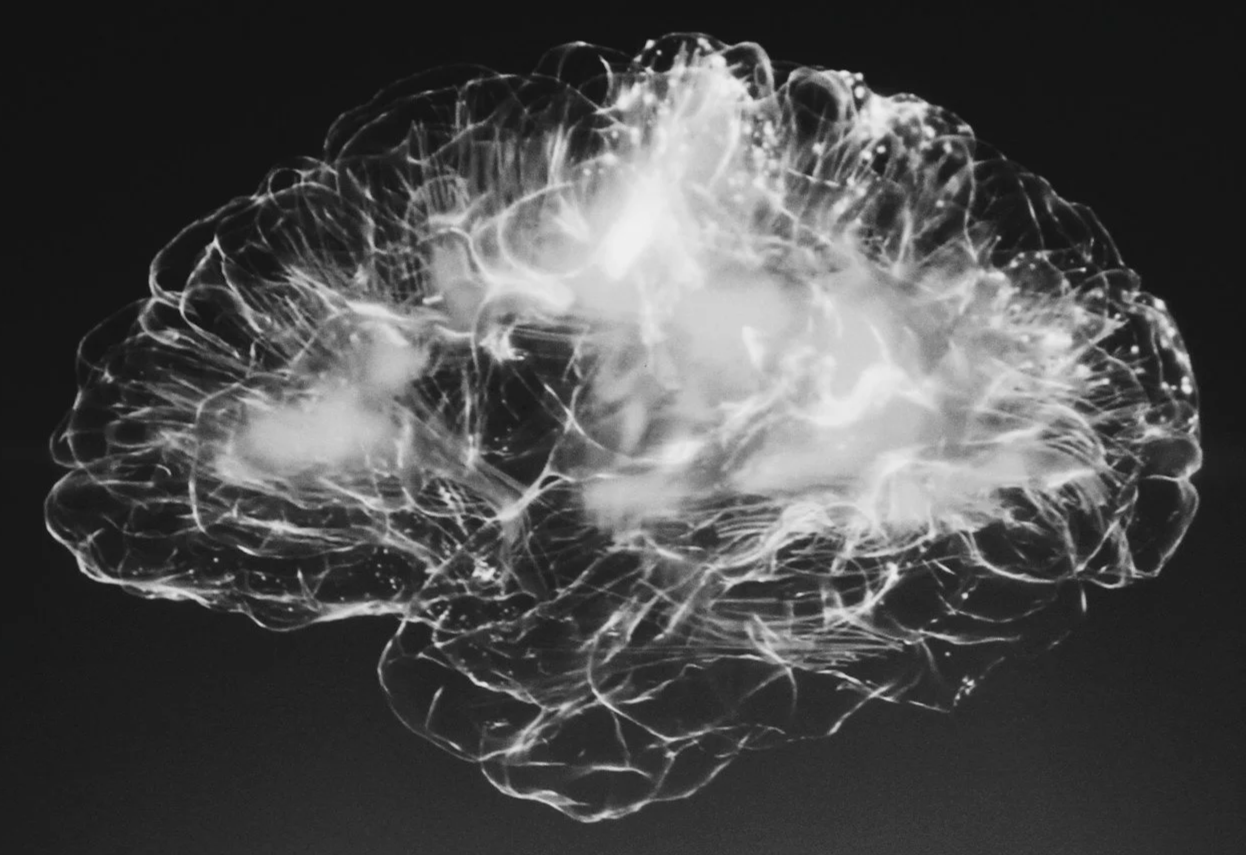
In hypnotherapy, we often speak about activating the “higher mind.” This is the state where cognitive flexibility expands. Instead of narrowing your options to what you already know, you begin opening to what you do not yet know. The unfamiliar may feel alien at first. But fluidity allows experimentation.
When you shift from rigidity to openness:
Your perception changes.
Your emotional responses soften.
Your creativity increases.
New pathways emerge.
You are no longer reacting from past conditioning. You are responding from awareness.
Fluidity Begins in the Body
Fluidity begins in the body because rigidity is never only mental, it is embodied. When we are stuck in fixed patterns, our breath becomes shallow, our muscles tighten, and our posture contracts as if bracing against life. The nervous system moves into protection mode, narrowing perception and reinforcing familiar reactions. To shift from rigidity to fluidity, we must start by breathing differently. As the breath deepens, muscles soften, the spine regains mobility, and movement becomes more dynamic. The body feels less frozen and more adaptable. This internal shift mirrors psychological flexibility: when the body feels safer, the mind becomes more open. The nervous system transitions from defensive reactivity to exploratory curiosity.
Fluidity is not chaos or lack of structure; it is an inner negotiation between different parts of yourself. It is your brain expanding beyond old narratives and your identity loosening its grip on fixed definitions. Instead of clinging to “this is just who I am,” you begin to ask: What else is possible? Who else could I become? What if my past experiences shaped me but do not have to confine me?
In this space, limiting beliefs begin to lose authority. You are no longer fighting yourself; you are learning to move with yourself, allowing evolution instead of enforcing repetition.

Growth Requires Discomfort
Growth requires discomfort because the brain is wired for familiarity, not expansion. Stepping out of rigid patterns can feel destabilising; when you apply for a new job, enter a new relationship or change direction in life, your nervous system often interprets uncertainty as threat.
From a neuroscience perspective, the brain prefers predictable pathways, habits are energy-efficient, and the amygdala is quick to signal danger when something is unfamiliar.
Cognitive-behavioural theory shows that we cling to established beliefs because they create a sense of control, even when they limit us. Attachment theory also explains why change in relationships can trigger anxiety, novelty disrupts the safety of what is known.
So discomfort is not a sign that something is wrong; it is often a sign that something is expanding. Fluidity means tolerating that in-between space where the old identity no longer fits but the new one is not yet fully formed. Instead of fixating on “how things should be,” you begin exploring “how things could be,” allowing curiosity to replace control.
Ask yourself:
Where am I living on autopilot?
What beliefs feel fixed?
What would it look like to soften instead of tighten?
Rigidity feels safe because it is familiar, but it keeps you small. Fluidity feels uncertain because it is new, but it stretches your capacity.
Stepping out of the box is not about abandoning who you are; it is about allowing yourself to evolve beyond who you thought you had to be.