Why I Became a Therapist: A Personal Journey Into Healing

A Path I Never Planned
If I think about when I decided to become a therapist, I realise that, in truth, I never consciously made that decision. It unfolded gradually, almost as if it was inevitable. As a child, my dream looked very different. I wanted to become a soul singer like Whitney Houston. Being born into a family of musicians made that dream feel natural and obvious. Music surrounded my life, and for a while it seemed that path might become reality. I almost made it, but that is a story for another time. Life, however, had other plans for me. Everything changed when I was twenty-one.
The Moment That Changed My Life
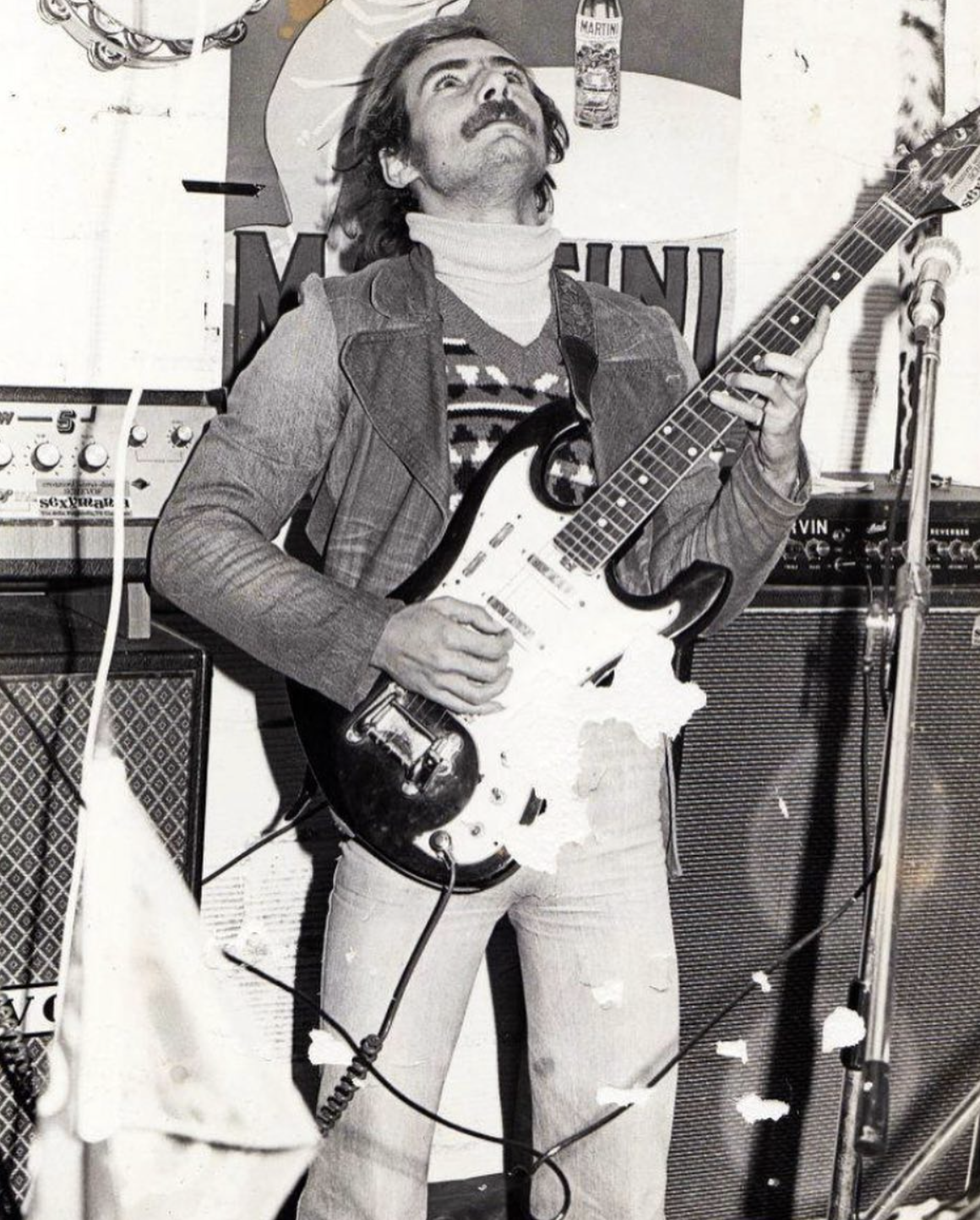
In 2015 my father was diagnosed with terminal colon cancer. The diagnosis appeared sudden, but the signs had been there for almost a year. He had experienced clear symptoms that something was wrong, yet he did everything possible to ignore them.
By the time the illness was finally acknowledged, he was already in the final stage of his life. My father was a talented guitarist and music producer who had never recovered from the failure of his creative career. His unhappiness slowly destroyed much of what he had built, including his family and intimate relationships.
He accumulated enormous debts and fell into destructive habits. He struggled with gambling, and I suspected he was also dealing with alcohol addiction. After my parents divorced, I watched him progressively sink into depression and financial collapse. It was painful to witness.
The pain of this dysfunctional relationship, coupled with curiosity about its intricate nature and history, led me to investigate the origins of his illness. The answer that we get sick because of bad luck or coincidences wasn't enough for me.
I was perfectly aware of a profound misalignment between my father's nature and his wounded self. His pride, which I soon understood, hid an immense fear of dying, especially because his dad had also died of cancer a few years before him prematurely.
Facing Illness and Denial
My father never told me he had cancer. Nobody did. He denied it until the very end. He was angry, upset, and his words were often harsh. Every attempt I made to help him or speak about the situation was rejected. I remember sitting beside him in the hospital when he was asleep or barely conscious. I would secretly place my hands on the tumour in the desperate hope of healing it, as if somehow my love could change the course of events. Tears would fall uncontrollably as I tried to hide my confusion and despair.
How did we get here? What can I do to repair this?
Losing My Father
The doctors initially told us he had three months to live and sent him home with me. I was twenty-one years old, alone in a house with a dying father, calling the doctor daily because I did not know what else to do. Eventually my uncle found a place in the hospital where he could spend his final days with dignity and without pain. Shortly after, the doctors told us he had only three days left. He died in my arms on the second of June 2015 at 1:30 in the morning. That moment marked the beginning of a journey that would transform my life.
When Grief Becomes a Question: Searching for Meaning
After his death I felt completely lost. I felt powerless, at the mercy of events and decisions that had never truly been mine. At times I even felt judged in my pain, as if I was not authorised to suffer openly. And beneath everything there was anger, anger toward my father for leaving me once again to unravel the complexity of our relationship alone. From that moment, a thousand questions emerged.
Why do we get sick? What is the true nature of illness?
Where does disease begin? Why do we ignore our emotional, mental and physical health until it is too late?
I began researching my father’s life, his childhood, his traumas and his personal history. Slowly I started to understand his difficulties in loving, communicating and expressing emotions. His addictions, his avoidance of responsibility and his inability to face his fears were part of a much deeper story of unresolved pain. In many ways, the tumour represented an opportunity to change direction, to face his shadows, apologise to the people who had suffered because of his actions and reconnect with himself. But that opportunity never came. What remained for me was the search for understanding.
The Beginning of My Healing Journey: Finding Purpose Through Pain
What I felt I would remember for the rest of my life was a pain so deep that I thought my heart was being ripped apart. I started having sleep paralysis. I could hear him calling me when I couldn’t move. Likely, a psychologist's family friend noticed my pain and told me to go and see a psychotherapist at his studio. Here, my path began. I felt much better after a few sessions, and since then, I never stopped walking the healing path.
For the first time I had a space where my emotions could exist without judgment. After only a few sessions I felt a sense of relief I had never experienced before. That was the moment my healing journey began. And since then, I have never stopped walking that path.
I started investigating my father's origins, personal history and childhood traumas, understanding his difficulties in loving, communicating and expressing his true feelings, his addictions and his fear of taking responsibility for himself and what involved him. His Narcissistic tendency and selfishness in never putting anybody's needs above his. This tumour was a clear opportunity to change direction, review inconsistencies, apologise to the people who very much suffered for his neglect and immature behaviours, and heal and regain himself by bringing to light his fears and shadows that were killing him day by day.
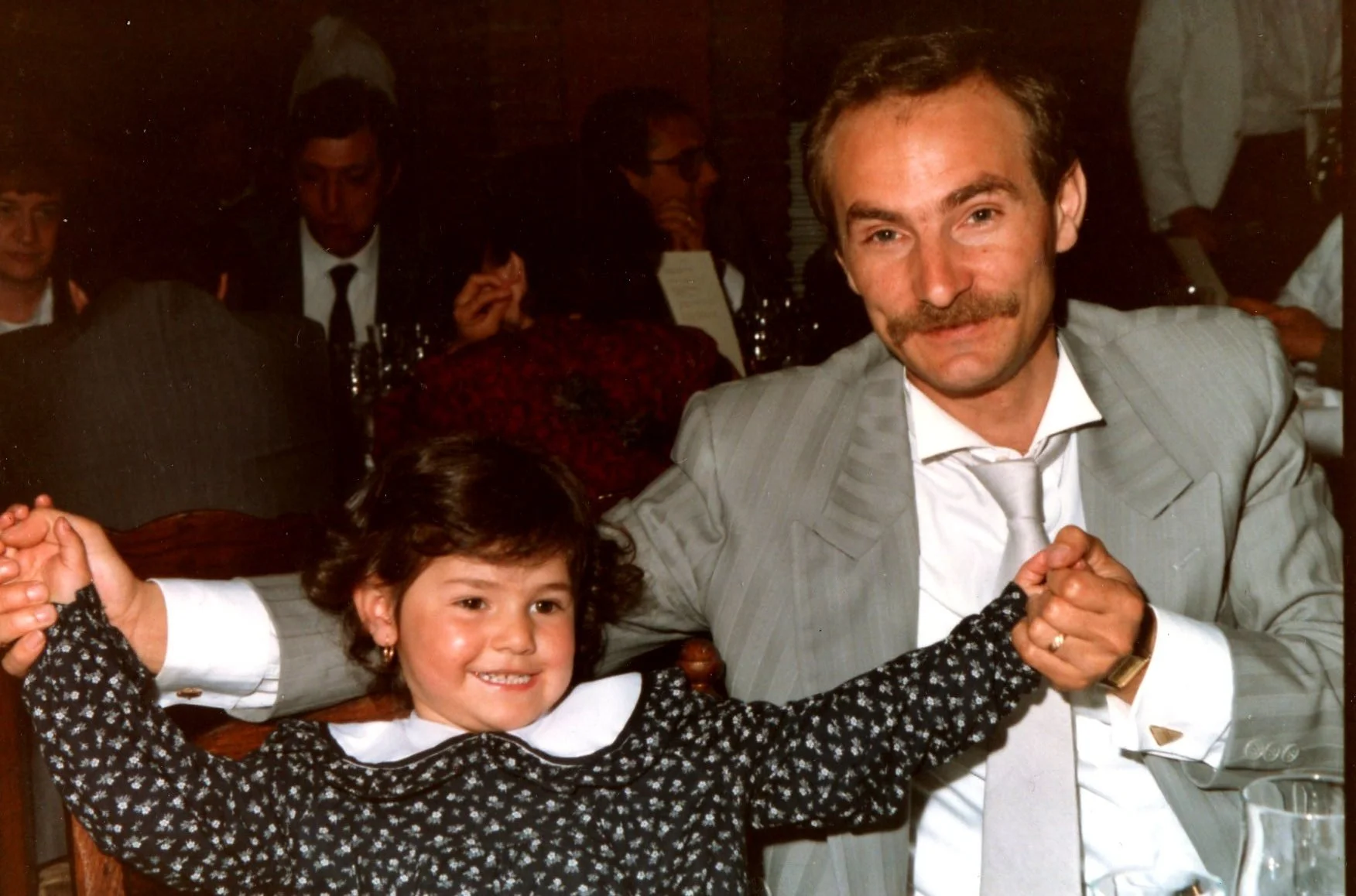
It took me years to process this mourning and this complex relationship with the man I have chosen as a father in this life; within the process, I also understood who I was, my sensitivity and my unique emotional abilities. My father was a misunderstood and broken soul, like many, who didn’t get to align with his soul path. His unprocessed childhood traumas and dysfunctional relationship with his parents and relatives created so much contrast inside him that he lost his way, and his soul could take no more.
Paradoxically, his life ending allowed mine to find purpose.

A Message for Anyone on a Healing Path
Today, after nearly two decades I sometimes still hope he is proud of me. I often wonder what he would think of me now if we had had a chance to heal our bond and get to know each other, but somehow, I know we will meet again.
After all these years of research, personal work and therapeutic training, I am deeply grateful for the path that emerged from that painful experience. This path is not easy. It constantly asks me to face my own shadows, contradictions and vulnerabilities. But it is deeply meaningful. It has helped me grow, mature and understand the complexity of the human experience.
If my story resonates with you, I hope all this grief will elevate the amazing creative potential that lies within you; every experience and challenge we face has the potential to become a transformative and healing balm that heals our illness, allowing our humanity to evolve and resolve deep-seated soul wounds waiting to complete their purpose and allow new, better humans to rise.
Sometimes the experiences that break our hearts are the very ones that guide us toward our purpose.
If this resonates with your experience, I offer trauma-informed somatic counselling in Brighton and online, supporting people to move from reactive relational patterns to embodied, authentic connection. You’re welcome to book a free discovery call to explore working together.