The Essenes Explained: Ancient Community, Mysticism and Modern Essene Healing
Who Were the Essenes?
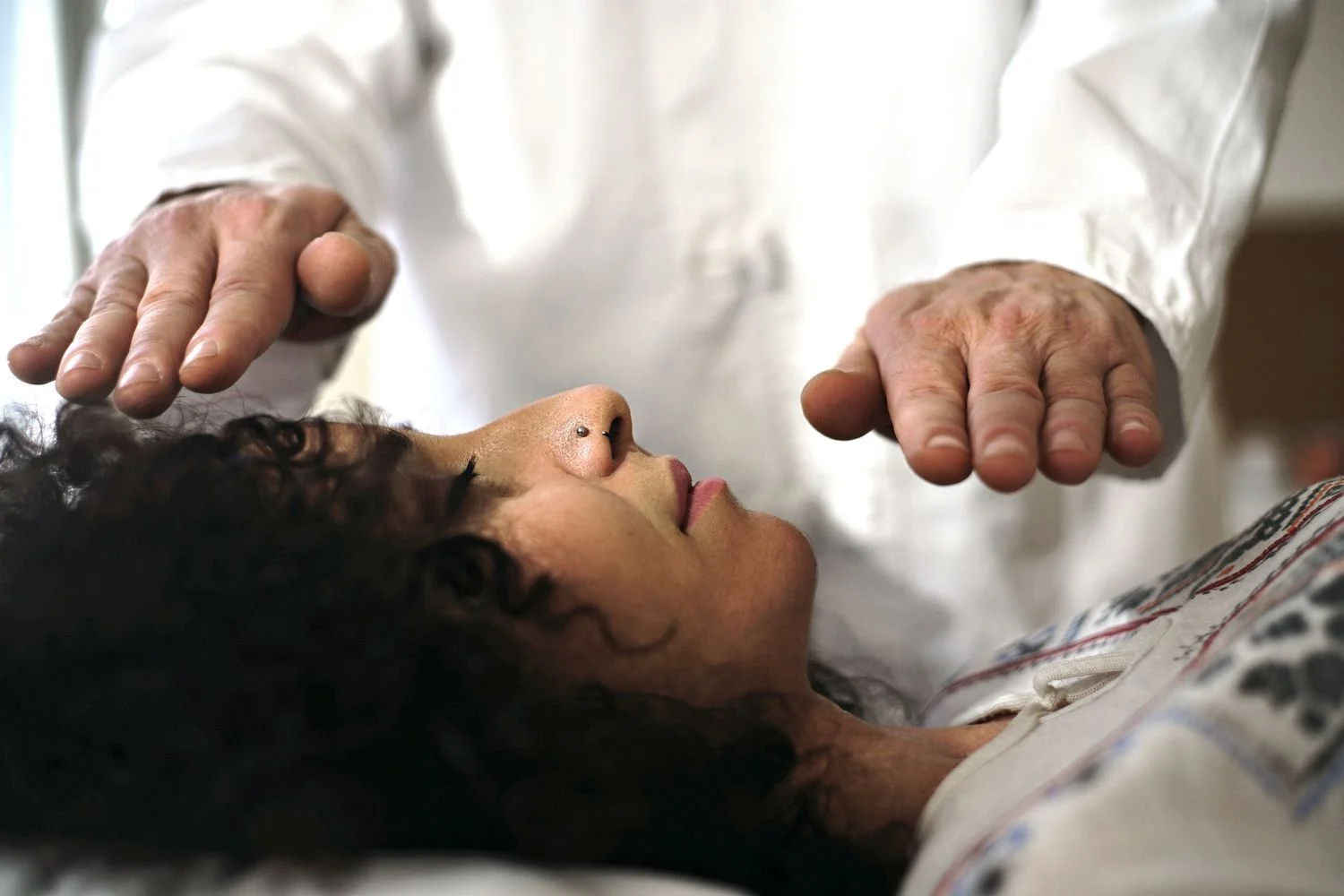
The Essenes were a Jewish mystical community active between the 2nd century BCE and the 1st century CE. They are often associated with the Dead Sea region and are referenced by ancient historians such as Pliny the Elder, Philo of Alexandria and Josephus.
According to Pliny, the Essenes were a disciplined spiritual community who lived away from urban centres, near lakes and rivers. They rejected wealth, hierarchy and slavery, choosing instead a simple and communal way of life. Their philosophy emphasised purity, ethical conduct, spiritual discipline and harmony with nature.
Members of the community followed structured initiation processes, often involving:
• a probationary year
• several years of preparation
• deep study and training before full acceptance
They were known for:
• wearing white garments
• practising fasting and ritual purification
• studying medicine, astronomy and sacred texts
• living in equality without rich or poor distinctions
While much about them remains historically debated, their influence on mystical and healing traditions continues to inspire modern spiritual frameworks.
The Philosophy of the Essenes
At the heart of Essene philosophy was alignment. Alignment between: thoughts, words, actions, community and the natural world Health, in their understanding, was not merely physical. It was the result of internal and external harmony.
This idea of coherence, between inner life and outer action, remains central in many modern therapeutic and spiritual approaches.
Egyptian/Essene Healing in Modern Practice
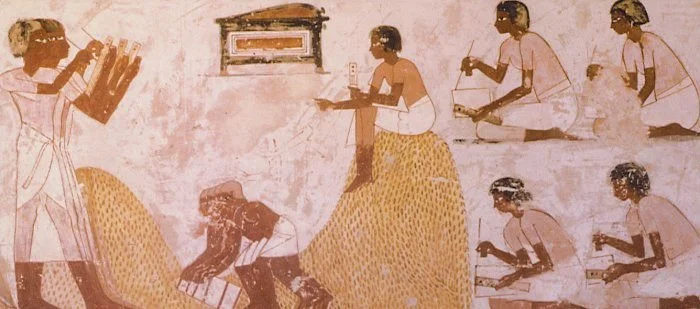
Contemporary Egyptian–Essene therapy is inspired by these ancient traditions and combines elements of: energy healing, subtle body awareness, chakra and meridian systems, sound attunement, ritualised touch using oils.
This approach views the human body as both physical and energetic. When energy flow is disrupted, through stress, trauma or emotional overwhelm, imbalance may manifest in physical or psychological symptoms. Egyptian–Essene therapy aims to restore circulation within:
• the physical body
• the subtle energy field
• chakras and sub-chakras
• meridians and nadis
The goal is regulation, integration and realignment.
How Egyptian–Essene Healing Works
A session typically includes:
• gentle and precise touch on specific points
• consecrated oil blends
• voice attunement and sound
• guided awareness
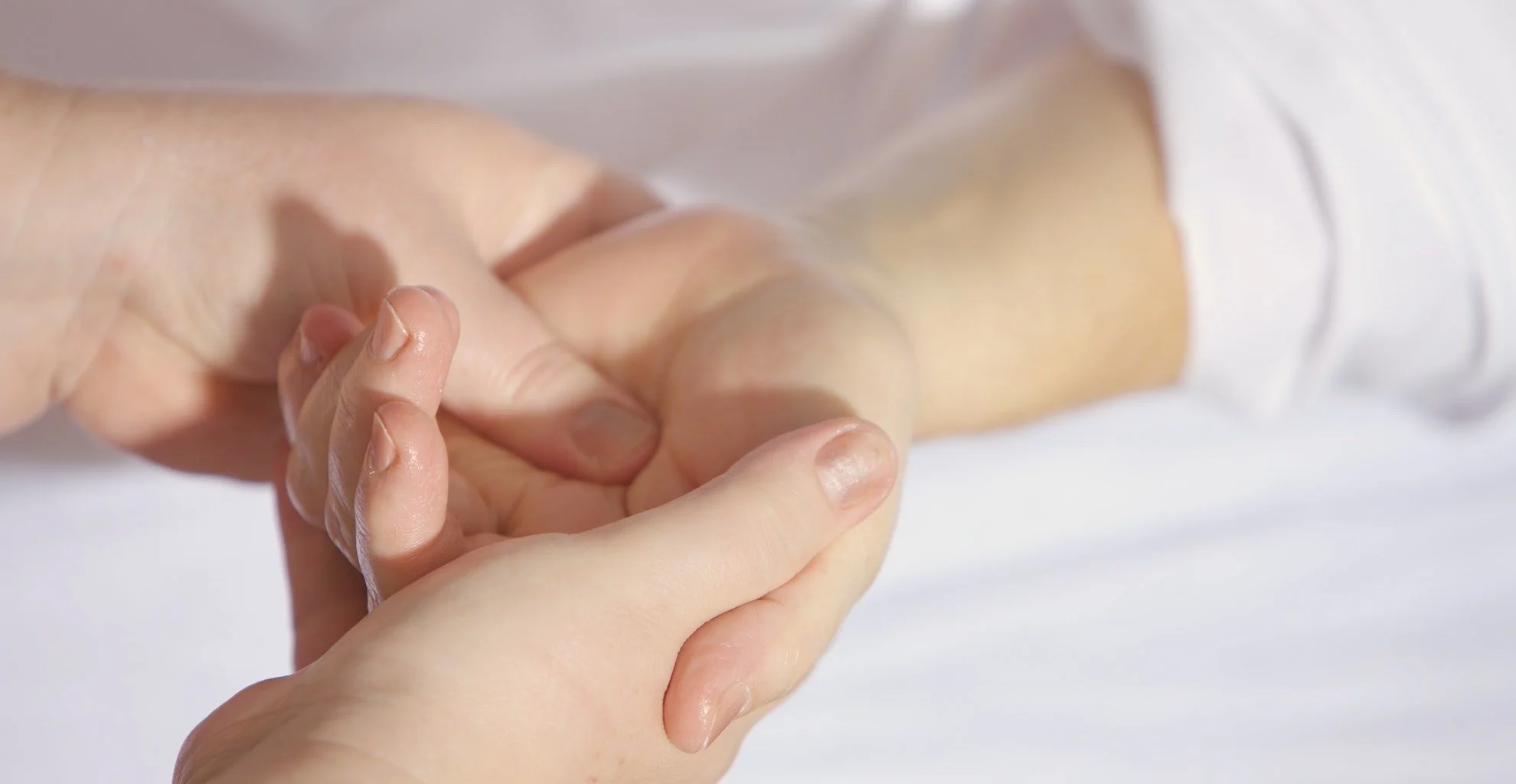
The practitioner works simultaneously on the physical and energetic levels, supporting the release of emotional tension and restoring flow.
This approach is often sought for:
• emotional overwhelm
• trauma integration
• chronic fatigue
• stress-related tension
• addictions and co-dependency patterns
• grief and life transitions
• hormonal and menstrual irregularities
It is important to note that this work is complementary and does not replace medical or psychological treatment. Because it works at depth, consistency and commitment are recommended, particularly at the beginning of the process.
The Importance of the Healing Space
Ancient healing traditions placed great importance on environment. Space was not considered neutral, it influenced breath, nervous system regulation and emotional openness. Modern somatic psychology confirms that safety and environmental cues directly affect the nervous system. When entering a space, we respond to: colour, light, sound, scent, aesthetic harmony. A regulated, intentional environment supports relaxation, trust and deeper emotional processing
In Egyptian–Essene-inspired practice, the healing space is treated as part of the therapeutic process itself. Each element, from the treatment bed to the colours on the walls, is chosen consciously to promote grounding and openness.
Essene Healing and Modern Somatic Therapy
There are clear parallels between ancient Essene philosophy and modern somatic psychology: Both recognise that:
• the body holds memory
• imbalance affects emotional life
• environment shapes internal state
• healing requires coherence
Today, we may describe this through nervous system language rather than mystical terminology. Yet the principle remains similar: Alignment creates stability. Regulation restores clarity.
Integration supports wholeness.
Who May Be Drawn to This Work?
Egyptian–Essene-inspired healing may resonate with individuals who:
• feel disconnected from themselves
• are exploring spiritual growth
• seek embodied healing approaches
• have tried talk therapy but want deeper integration
• value ritual and intentional healing space
Sessions are offered within a professional therapeutic container in Brighton.
If this resonates with your experience, I offer trauma-informed somatic counselling in Brighton and online, supporting people to move from reactive relational patterns to embodied, authentic connection. You’re welcome to book a free discovery call to explore working together.