Breaking Dysfunctional and Toxic Cycles

Relationships play a fundamental role in shaping our identity. Through relationships we discover different aspects of ourselves, learn how we respond to others and gradually form our sense of belonging in the world. Especially in childhood, our understanding of who we are develops through the reflections we receive from the people around us. When these reflections come from what might feel like “broken mirrors,” the image we form of ourselves can become distorted, fragmented or contradictory. A child who grows up in an unstable, critical or emotionally unavailable environment may internalise messages about themselves that later influence how they behave in society and relationships. Over time these experiences shape what we could call our emotional framework, the invisible set of beliefs and responses that guide how we relate to others.
How Dysfunctional Family Patterns Develop
If you have grown up in a dysfunctional family system or experienced traumatic events, this can influence the way you approach relationships later in life.
For example, some people develop a strong need for control as a way to feel safe. Others may become highly accommodating, trying to please others to avoid conflict or rejection. Some individuals struggle with insecurity, while others may withdraw emotionally to protect themselves.
Common patterns that may develop include:
difficulty trusting others
fear of abandonment or rejection
people-pleasing behaviours
emotional withdrawal or avoidance
excessive responsibility for others’ feelings
These responses are not signs of weakness. They are adaptive strategies that helped us survive emotionally within the environment we grew up in. Children are incredibly creative when it comes to adapting to difficult circumstances.
Understanding What We Have Inherited & the Emotional Framework we carrie
One of the most empowering steps in personal growth is recognising that many of our behaviours did not originate with us. We often inherit emotional patterns from the environments we grew up in. These patterns may include attitudes towards conflict, communication styles, emotional expression or beliefs about love and safety.
When we begin to explore our upbringing, we may start asking important questions:
What emotional behaviours did I learn in my family?
What beliefs about relationships did I inherit?
Which of these patterns still serve me today?
Which ones no longer align with the person I want to become?
This process of reflection allows us to understand what we may have borrowed from our family system and what we now have the freedom to change.
The Role of Cycle Breakers
In many families, certain emotional patterns repeat across generations. Ways of dealing with anger, silence, shame, control or emotional distance can be unconsciously transmitted from parents to children and continue for decades. However, every generation also contains individuals who begin to question these patterns. These individuals are often referred to as cycle breakers. Cycle breakers are people who become aware of unhealthy relational dynamics and choose to respond differently.
They might begin to:
question inherited beliefs about relationships
seek emotional awareness or therapy
develop healthier communication patterns
establish boundaries that were never modelled before
break patterns of emotional neglect or control
This process can be uncomfortable because it often means stepping outside familiar roles within the family system. But it is also how generational change begins. Every generation does its part. Some generations survive difficult circumstances. Others begin to question them. And some begin the work of transforming them. Cycle breakers play a crucial role in creating new possibilities for future generations.
Signs You May Be the Cycle Breaker in Your Family
Becoming a cycle breaker is rarely something we consciously plan. It often begins with a sense that certain patterns within the family system no longer feel right or healthy. There may be a moment when you start questioning behaviours that have always been considered normal or unavoidable. Cycle breakers are often the individuals who feel the weight of generational patterns most strongly. They are the ones who begin to look at family dynamics with curiosity and ask whether there might be another way.
You may recognise yourself as a cycle breaker if you:
question long-standing family beliefs or behaviours
feel a strong desire to understand emotional patterns in your family
seek personal growth, therapy or self-awareness practices
notice unhealthy dynamics and want to respond differently
feel responsible for creating a healthier emotional environment for yourself or future generations
This process is not always easy. Cycle breakers may experience resistance from the family system because change can feel threatening to established dynamics. But over time, these individuals often become the catalysts for transformation within their family lineage.
Healing and Creating New Patterns
When we begin to understand our behaviours and emotional responses, we realise that nothing is completely fixed. Patterns that once felt inevitable can gradually shift when we bring awareness to them and develop new ways of responding. Healing dysfunctional cycles does not mean rejecting our family or blaming the past. It means recognising the influence those experiences had on us and consciously choosing how we want to move forward.
This journey often involves:
developing emotional awareness
learning healthier ways to communicate
addressing unresolved pain or trauma
building relationships based on respect and authenticity
Over time this process can lead to greater freedom, stronger self-acceptance and healthier relationships. Breaking toxic cycles is not about becoming perfect. It is about becoming conscious of the patterns we carry and deciding which ones we want to continue and which ones we are ready to release.
What Is Ancestral Healing?
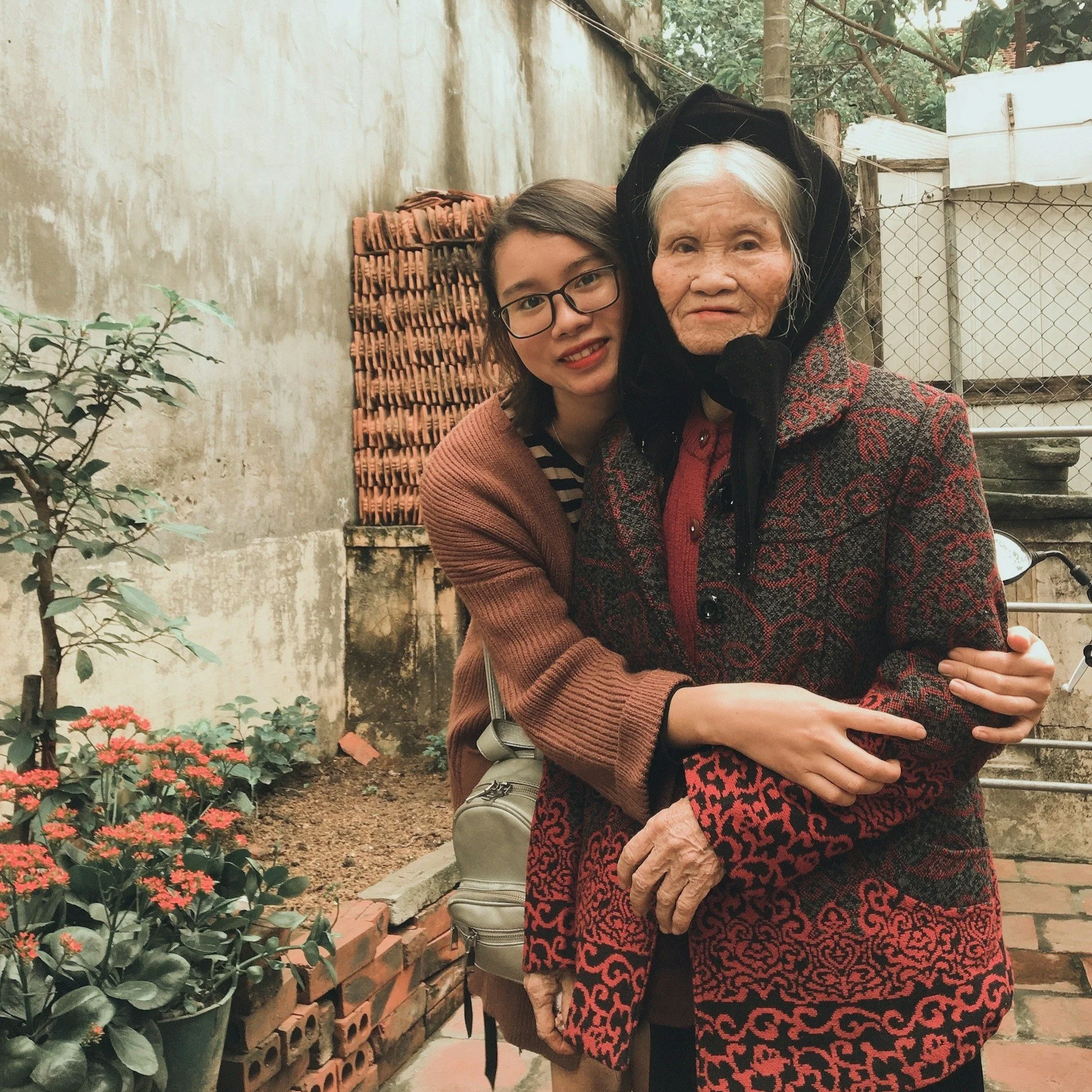
Ancestral healing refers to the process of recognising and addressing emotional, psychological and behavioural patterns that have been passed down through generations.
Families often transmit not only traditions and values but also unresolved trauma, coping strategies and relational habits. These inherited patterns may influence how we experience emotions, how we handle conflict, how we express love and even how we perceive our sense of identity.
Ancestral healing does not mean blaming previous generations. Each generation does the best it can with the knowledge, awareness and resources available at the time.
What ancestral healing invites us to do is acknowledge the past while choosing to respond differently in the present. When individuals become aware of these generational patterns, they begin to create space for new possibilities.
By developing emotional awareness, healthier boundaries and more conscious relational behaviours, cycle breakers contribute to healing not only their own lives but also the emotional landscape of future generations.
In this sense, ancestral healing is not only about the past, it is also about changing the direction of the story moving forward.