
Fear of Rejection or Fear of Humiliation? Understanding Emotional Wounds
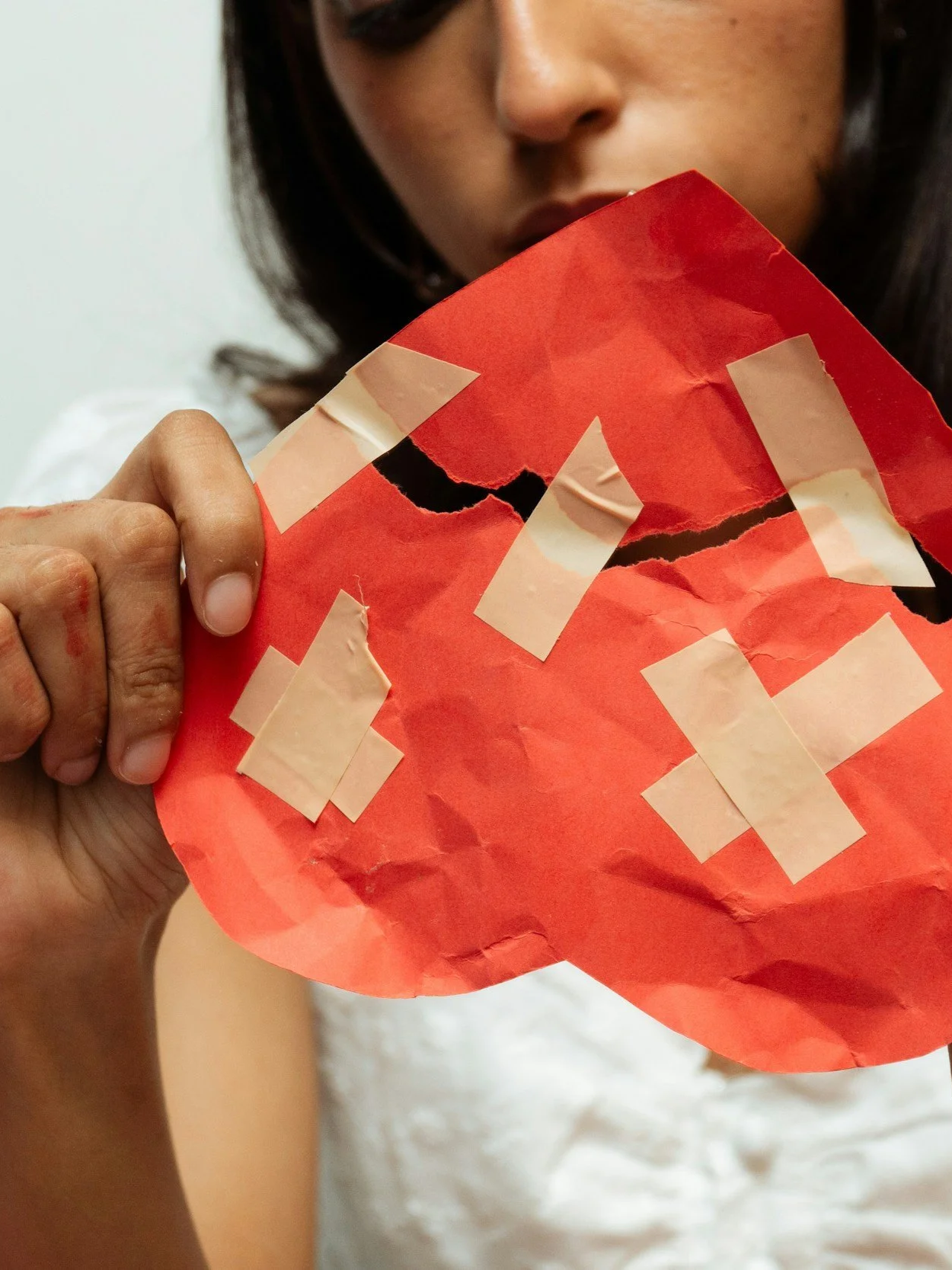
How Childhood Wounds Shape Adult Behaviour
Experiences of shame in childhood can have a profound influence on the way we relate to others later in life. When a child repeatedly feels criticised, mocked or made to feel inadequate, they may internalise the belief that expressing themselves freely is unsafe.
As adults, this can appear in many subtle ways. Some people avoid emotional vulnerability because they fear being judged or ridiculed. Others overcompensate by trying to please everyone, taking on excessive responsibility or constantly proving their worth. In relationships, this can lead to difficulties expressing needs, setting boundaries or trusting that one's authentic self will be accepted.
Shame often operates quietly beneath the surface. It may not always be recognised directly, but it can shape self-perception, relational dynamics and the way individuals respond to conflict or criticism.
Understanding the origins of these patterns allows individuals to begin separating past experiences from present reality. What once felt necessary for emotional survival may no longer be required.
The Wound of Humiliation & Masochism
Humiliation is different from Rejection. It is not about being rejected entirely but about feeling belittled, shamed or degraded. This wound is often linked to experiences where a child perceives that their caregivers feel embarrassed by them, criticise them excessively or make them feel ashamed of their natural needs, emotions or behaviour.
The protective mask associated with this wound is often described as the masochist. This does not necessarily mean physical suffering, but rather a psychological tendency to take on excessive responsibility, self-sacrifice or self-criticism. The masochist may appear strong, dependable and generous, often doing everything for others. Yet underneath this behaviour is often a deep fear of being shamed or judged. In many cases, this person struggles to express authentic needs or emotions because, as a child, expressing themselves may have resulted in embarrassment or humiliation. They may become highly sensitive to the feelings of others and try very hard not to hurt anyone. Paradoxically, their greatest fear can become freedom itself, because true freedom would require expressing needs and boundaries openly.
Signs You May Fear Humiliation Rather Than Rejection
Many people assume they fear rejection, but when they look closely, what they actually fear is being embarrassed, exposed or made to feel small. The difference can be subtle, yet important. Fear of rejection often revolves around the idea of not being accepted or included, while fear of humiliation is more closely linked to shame, the fear of being ridiculed, criticised or publicly diminished.

You may recognise this pattern if you find yourself hesitating to express opinions, creativity or vulnerability because you anticipate being mocked or misunderstood. Some people become overly cautious about how they present themselves, constantly monitoring how others might perceive them. Others may compensate by trying to appear strong, capable or in control, avoiding situations where they might feel emotionally exposed. In many cases, this fear develops early in life when a child repeatedly experiences criticism, ridicule or emotional dismissal. Over time, the nervous system learns to associate authentic self-expression with potential humiliation, creating a protective strategy: silence, withdrawal or excessive self-control. Recognising this pattern is often the first step toward loosening its hold.
Fear of Humiliation and the Nervous System
Fear of humiliation is not only a psychological experience; it is also deeply connected to the way the nervous system responds to perceived threat. When someone has repeatedly experienced shame, ridicule or emotional exposure in the past, the body can learn to associate self-expression with danger. From a nervous system perspective, situations that involve being seen, heard or evaluated by others may activate a defensive response. The body may move into fight, flight, freeze or withdrawal, even when the situation itself is not objectively threatening. A simple moment of vulnerability, speaking in a group, expressing feelings or sharing an opinion, can trigger sensations of tension, anxiety or shutdown.
Over time, individuals may unconsciously avoid situations where they might feel exposed. They may hold back their voice, minimise their presence or try to control how they are perceived by others. These strategies are not signs of weakness; they are protective responses that the nervous system developed to avoid further experiences of humiliation or shame.
Working with these patterns often requires more than intellectual understanding. Developing awareness of the body, emotions and internal reactions can help individuals gradually recognise when the nervous system is moving into protective states. Through practices that support regulation, such as mindful awareness, breathing, relational safety and therapeutic support, it becomes possible to create new experiences where expression and connection feel safer.
As the nervous system learns that vulnerability does not automatically lead to humiliation, the capacity for authentic self-expression can slowly return.
Awareness Is the Beginning of Change
When I realised that what I had been calling fear of rejection was actually fear of humiliation, something shifted inside me. Not because the pattern disappeared instantly, but because awareness brought clarity. Once we recognise the deeper emotional dynamics shaping our reactions, we can begin to relate to them differently. These wounds are not permanent identities. They are experiences that can be understood, integrated and gradually transformed through awareness, reflection and supportive relationships. So perhaps the real invitation is not to fight these patterns but to listen to them and understand what they once tried to protect. And from that place, slowly begin to reclaim the freedom to express who we truly are.
How Therapy Can Help Heal Emotional Wounds
Healing emotional wounds such as rejection or humiliation rarely happens through insight alone. While understanding the origin of a pattern can bring clarity, deeper change often requires a supportive relational space where new experiences can emerge.
Therapy offers an environment where individuals can explore these patterns safely, gradually rebuilding trust in their own emotions and expressions. Through reflection, emotional processing and relational awareness, people begin to recognise the protective strategies they developed and understand the needs that were never fully acknowledged.
Over time, therapy can help individuals reconnect with parts of themselves that were silenced or hidden in order to avoid shame or rejection. As awareness grows, new ways of responding to relationships, challenges and self-expression can develop. This process takes time, patience and trust, but it allows individuals to move beyond old defensive patterns and rediscover a more authentic and compassionate relationship with themselves.
In my work, I approach these processes through an integrative, somatic and psychoenergetic perspective, recognising that emotional wounds are not only cognitive experiences but are also held within the body, nervous system and relational dynamics. This approach combines psychological insight, relational awareness and body-based exploration to support deeper understanding and integration.
Rather than trying to eliminate parts of ourselves that developed in response to past experiences, the aim is to bring awareness, compassion and balance to those patterns, allowing new ways of responding to life to emerge over time.
Healing emotional wounds is a gradual process of awareness, trust and integration that unfolds at a pace that respects each person's history, capacity and readiness.
Through this process, individuals can begin to reconnect with their authentic voice, develop healthier relationships and experience a deeper sense of inner coherence.