
Top 13 Therapy Approaches Explained: How to Choose the Right Therapy

How Do You Choose the Right Type of Therapy?
With so many therapeutic approaches available today, it is normal to feel confused about where to start. Many people searching for therapy are not necessarily looking for a specific method; they are looking for someone they can trust and feel safe with.
Finding the right therapist and the right therapeutic approach can take time. It often involves trial and error, patience and sometimes financial investment. Many people enter therapy hoping for immediate answers but quickly realise that understanding the different therapeutic approaches available can be confusing.
Navigating the therapeutic field can feel overwhelming, especially when you are already going through emotional challenges. While each therapeutic model has its own philosophy and techniques, research consistently shows that the therapeutic relationship itself is one of the most important factors in successful therapy. Feeling heard, respected and supported often matters as much as the method used.
Why There Are So Many Therapy Approaches
The field of psychotherapy has evolved significantly over the past century. As our understanding of human psychology has deepened, new methods have emerged to address different dimensions of emotional experience. Some therapies focus primarily on thought patterns, others on emotions, others on behaviour, and more recent approaches recognise the importance of the body, energy, nervous system and relational dynamics.
Because human beings are complex, many therapists today work in an integrative or pluralistic way, combining different therapeutic tools depending on the client and the situation. This flexibility allows therapy to be adapted to the individual rather than forcing the individual to fit into a rigid theoretical model.
What Happens in a Therapy Session?
A therapy session usually involves a confidential conversation between you and a trained professional where you can explore your thoughts, emotions and life experiences in a safe and supportive environment. Depending on the therapeutic approach, sessions may include reflective dialogue, emotional exploration, cognitive exercises, body awareness, guided visualisation or practical strategies for dealing with life challenges. Some therapies focus more on understanding past experiences and how they influence the present, while others focus on current behaviour, emotional regulation and future change. Many approaches combine both perspectives.
It is important to understand that therapy is not a quick fix and therapists are not magicians who can make problems disappear overnight. The therapist does not do the work for you; rather, they accompany and support you through the process. Therapy is a collaborative journey that requires time, patience, honesty and trust. Change often unfolds gradually as awareness develops and new ways of understanding and responding to life emerge.
Each person moves through this process at their own pace. The depth and speed of change depend on many factors, including the individual's readiness, personal history, emotional capacity and the type of work being done in therapy. Sometimes insights arrive quickly, while at other times progress requires a slower and more reflective process. Trusting the timing of this journey is part of the therapeutic experience.
The aim of therapy is not to “fix” a person but to support greater awareness, emotional balance, resilience and personal growth. A therapist offers guidance, perspective and a safe relational space where exploration can take place, but the transformation ultimately comes from the individual's willingness to engage with the process.
Before beginning therapy, it can be helpful to ask questions during the initial consultation about the therapist's approach, experience and style of working. This allows you to understand how they practice and helps ensure that the therapeutic relationship feels aligned with your needs, expectations and personal goals.
Most Popular Healing Modalities
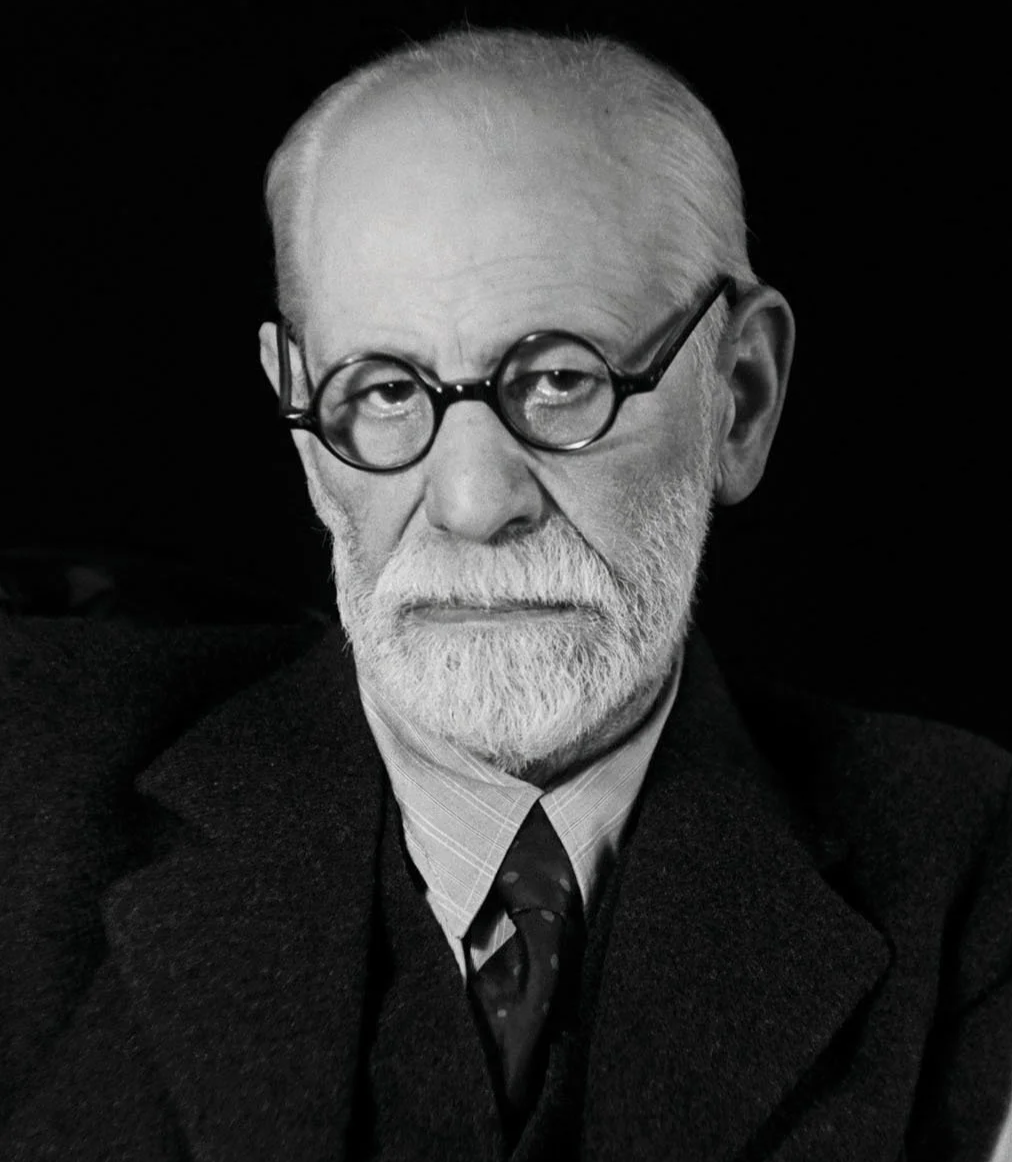
Psychodynamic Therapy
The psychodynamic approach is rooted in Freudian theory and focuses on exploring unconscious conflicts and early life experiences that may influence current behaviours, defensive mechanisms and emotional struggles.
This method emphasises the therapeutic relationship, as well as processes such as transference, dream interpretation and free association. The aim is to bring unconscious patterns into awareness so that individuals can better understand themselves and change long-standing relational dynamics. This approach can be particularly helpful for people who want to explore their inner world, past experiences, childhood trauma, family dysfunctions and unconscious motivations in a deeper way.
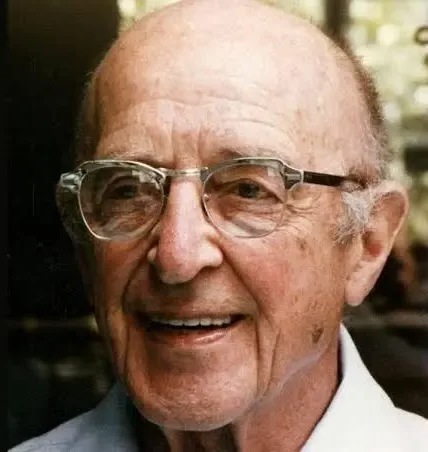
2. Humanistic Therapy (Person-Centred Counselling)
Humanistic therapy, also known as person-centred counselling, was developed by Carl Rogers and focuses on personal growth and self-actualisation.
The therapist offers empathy, unconditional positive regard and genuineness, creating a supportive environment where individuals can explore their feelings openly and discover their own solutions. The approach is often gentle and collaborative, allowing clients to move at their own pace while developing self-awareness and emotional clarity.
For many people, this approach provides a safe space for long-term personal development and emotional exploration.

3. Existential Therapy
Existential therapy is rooted in existential philosophy, influenced by thinkers such as Søren Kierkegaard, Friedrich Nietzsche, Martin Heidegger and later developed by psychologists like Viktor Frankl.
This approach explores fundamental questions about the human condition, including freedom, responsibility, meaning, isolation and mortality. Instead of focusing solely on symptoms, existential therapy encourages individuals to reflect on the deeper meaning of their lives and the choices they make.
The purpose of this method is to help individuals take responsibility for their existence and recognise their capacity to create meaning and direction in their lives.
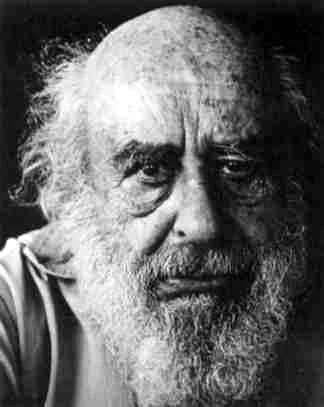
4. Gestalt Therapy & Transactional Analysis
Gestalt therapy was developed by Fritz Perls, Laura Perls and Paul Goodman in the 1940s. It focuses on present-moment awareness and the integration of different aspects of the self, encouraging individuals to become more conscious of how they experience emotions, thoughts and bodily sensations in the here and now.
This experiential approach often includes techniques such as role-playing, voice dialogue, the empty-chair technique and attention to bodily sensations and emotional responses. Gestalt therapy supports individuals in recognising unfinished emotional experiences, internal conflicts and relational patterns, helping them develop greater self-awareness and responsibility for their choices.
Transactional Analysis (TA), developed by psychiatrist Eric Berne in the 1950s, complements this work by exploring the way we communicate and relate to others through different parts of our personality. TA identifies three primary ego states, Parent, Adult and Child, which influence how we think, feel and interact in relationships. By understanding these internal dynamics, individuals can recognise repetitive behavioural patterns, relational scripts and unconscious roles they may play with others.
When Gestalt Therapy and Transactional Analysis are integrated, they offer a powerful framework for exploring both internal awareness and relational dynamics. Gestalt brings attention to what is happening in the present moment within the body and emotions, while Transactional Analysis helps individuals understand how past experiences and learned relational patterns influence current behaviour. Together, these approaches support deeper self-awareness, healthier communication and more conscious choices in relationships.
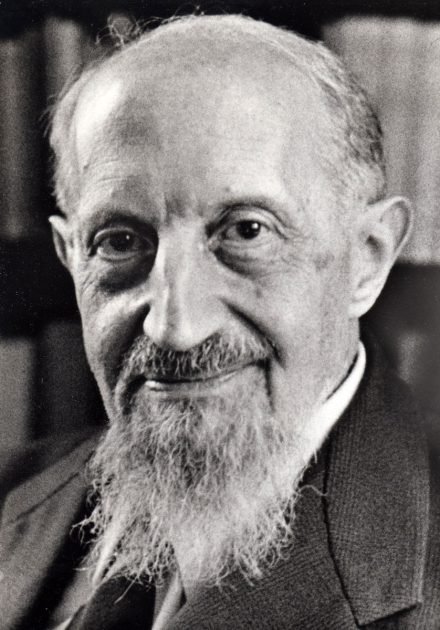
5. Psychosynthesis (Roberto Assagioli)
Psychosynthesis was developed by Italian psychiatrist Roberto Assagioli in the early twentieth century as a holistic approach to psychology that integrates mind, emotions, body and the deeper dimensions of human consciousness. While influenced by psychoanalysis, Assagioli expanded the psychological model by recognising that human development is not only about resolving past conflicts but also about integrating the different parts of the personality and realising our higher potential.
Psychosynthesis explores the idea that we all contain multiple inner aspects, sometimes referred to as subpersonalities, which can create internal conflicts when they are disconnected or unbalanced. Through awareness, reflection and guided exercises, individuals learn to recognise these parts, harmonise them and develop a stronger, more centred sense of self.
A key element of psychosynthesis is the development of the “observing self” or “higher self,” which allows individuals to step back from automatic reactions and respond to life with greater clarity, purpose and freedom. This approach supports personal growth, emotional integration and the discovery of meaning, encouraging individuals not only to heal psychological wounds but also to cultivate creativity, compassion and a deeper connection with their values and life direction.
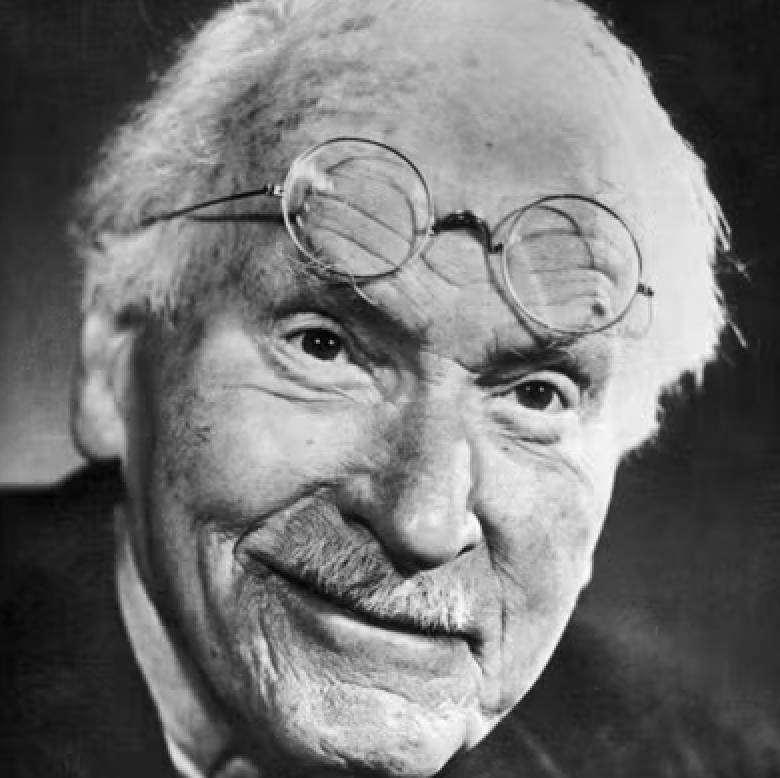
6. Jungian Psychology (Carl Jung)
Jungian psychology, developed by Swiss psychiatrist Carl Gustav Jung, focuses on understanding the deeper layers of the psyche and the process of personal transformation known as individuation. Jung believed that the human mind is composed not only of the conscious self but also of a vast unconscious realm containing personal experiences as well as universal patterns he called archetypes, which belong to what he described as the collective unconscious.
These archetypal forces influence our behaviour, dreams, relationships and life choices in ways we may not immediately recognise. Jungian methodology often involves exploring dreams, symbols, myths and imagination to help individuals understand hidden aspects of themselves, including what Jung called the shadow, the parts of the personality we tend to repress or deny.
By bringing unconscious material into awareness, individuals can integrate these aspects of the self and develop a more balanced and authentic identity. Jungian therapy therefore aims not only to relieve psychological distress but also to support deeper self-discovery, creativity and meaning in life, helping individuals become more whole and conscious in their relationship with themselves and the world.

7.Integrative Counselling
Integrative counselling is a flexible therapeutic approach that combines elements from different psychological theories and methods to create a personalised form of therapy suited to each individual.
Rather than relying on a single model, integrative therapists draw from a range of traditions such as psychodynamic therapy, humanistic approaches, cognitive behavioural therapy, Gestalt therapy and relational or body-oriented practices. The aim is to address the complexity of human experience by considering emotional, cognitive, behavioural and relational dimensions together.
The foundations of integrative psychotherapy were developed through the work of several influential psychologists and psychotherapists, including Richard Erskine, Paul Wachtel, Arnold Lazarus, and Ken Wilber, who emphasised the importance of adapting therapeutic interventions to the unique needs of each client. In integrative counselling, the relationship between therapist and client remains central, creating a collaborative and responsive space where different techniques can be used depending on what best supports healing, self-awareness and personal growth.
This approach recognises that no single method can address every aspect of the human psyche, and therefore seeks to integrate multiple perspectives in order to support a more holistic and effective therapeutic process.

8. Internal Family Systems (IFS) – Parts Work
Internal Family Systems (IFS), developed by psychologist Dr Richard Schwartz, is a therapeutic approach based on the understanding that the human mind is made up of different inner “parts,” each with its own role, feelings and protective function. These parts often develop throughout life as responses to experiences, particularly during childhood, and may carry memories, emotions or strategies that were once necessary for survival. In IFS, these parts are not seen as problems to eliminate but as aspects of the self that need understanding, compassion and integration.
Commonly described parts include protectors, which try to keep us safe by controlling situations or emotions, and exiled parts, which carry unresolved pain, fear or shame. The goal of this approach is to help individuals access their core Self, a calm and compassionate internal presence capable of listening to and harmonising these different parts. By recognising and working with these inner dynamics, individuals can develop greater emotional regulation, self-awareness and inner balance, allowing previously conflicting parts of the personality to cooperate rather than compete.

9. Cognitive Behavioural Therapy (CBT)
Cognitive Behavioural Therapy, developed by Dr Aaron T. Beck in the 1960s, is one of the most widely researched and evidence-based approaches in psychotherapy.
CBT focuses on the relationship between thoughts, emotions and behaviours. It helps individuals identify negative thinking patterns and replace them with more balanced and realistic perspectives.
This structured and practical approach is commonly used for anxiety, depression, phobias and behavioural challenges.

10. Somatic Therapy
Somatic therapy is a body-oriented therapeutic approach that recognises the deep connection between the mind, emotions and the nervous system. It is based on the understanding that emotional experiences, stress and trauma are not only stored as memories in the mind but can also be held in the body through tension, posture, breath patterns and nervous system responses.
Influenced by pioneers such as Wilhelm Reich, Peter Levine (Somatic Experiencing) and Pat Ogden (Sensorimotor Psychotherapy), somatic therapy helps individuals develop awareness of bodily sensations as a way to access and process unresolved emotional experiences. Instead of focusing only on verbal discussion, this approach encourages individuals to notice physical sensations, breathing patterns and subtle movements that may reflect underlying emotional states.
By gently working with the body and nervous system, somatic therapy supports the release of stored stress, improves emotional regulation and helps restore a greater sense of safety, balance and connection between body and mind.
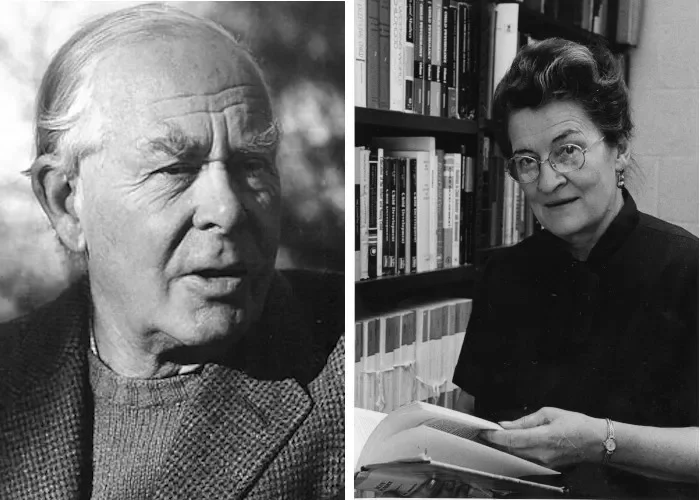
11. Attachment-Based Therapy
Attachment-based therapy is grounded in Attachment Theory, originally developed by British psychiatrist John Bowlby and later expanded by psychologist Mary Ainsworth. This approach focuses on how early relationships with caregivers influence the way we form emotional bonds, regulate our emotions and experience closeness or distance in relationships throughout life. The sense of safety, responsiveness and emotional availability we receive in childhood often becomes the blueprint for how we perceive trust, intimacy and connection as adults.
Attachment-based therapy helps individuals explore these early relational patterns and understand how they may influence current relationships, communication styles and emotional reactions. People may recognise patterns linked to secure, anxious, avoidant or disorganised attachment styles, which can shape how they respond to conflict, vulnerability, dependence and emotional needs.
Within the therapeutic relationship, the therapist provides a consistent, safe and emotionally attuned environment where individuals can begin to experience a different type of relational dynamic. Through reflection, emotional processing and relational awareness, clients can develop a stronger sense of internal safety, improve emotional regulation and learn healthier ways of connecting with others. Over time, attachment-based therapy supports individuals in building more secure relationships, strengthening self-trust and developing greater capacity for intimacy and authentic connection.
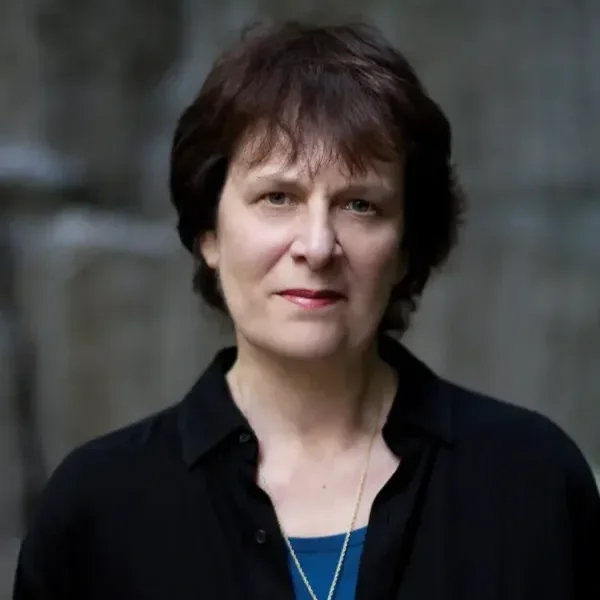
12. EMDR Therapy
Eye Movement Desensitisation and Reprocessing (EMDR) was developed by Francine Shapiro in the late 1980s.
EMDR is designed to help individuals process distressing memories, particularly those related to trauma. Through guided eye movements and bilateral stimulation, the brain can reprocess traumatic experiences and reduce their emotional intensity.
EMDR is widely used for trauma, PTSD and unresolved emotional distress.
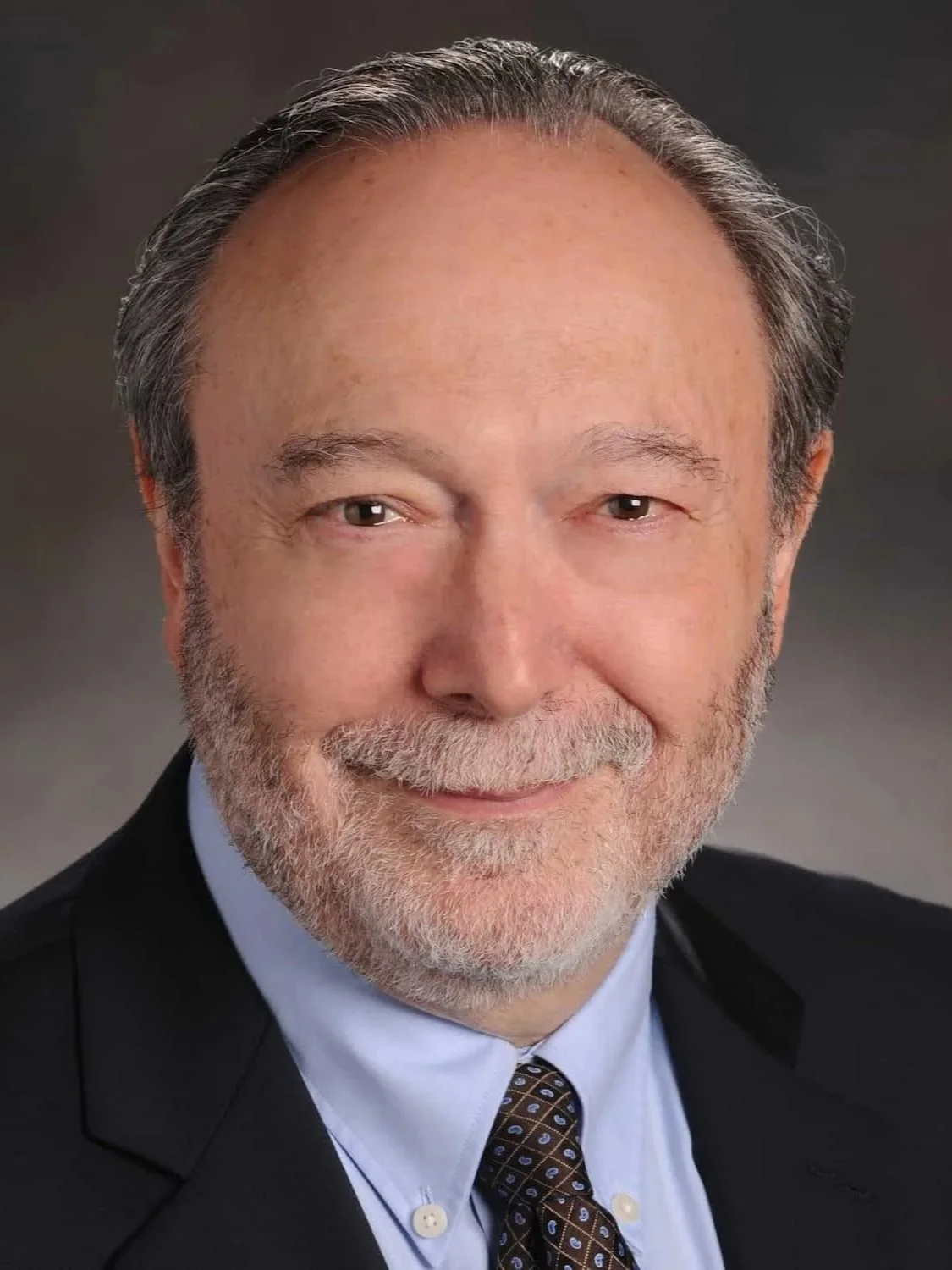
13. Polyvagal Theory and Nervous System Regulation
Polyvagal Theory, developed by neuroscientist Dr Stephen Porges, offers a deeper understanding of how the nervous system influences our emotional responses, behaviour and capacity for connection with others. According to this theory, the autonomic nervous system constantly scans the environment for cues of safety or danger through a process called neuroception.
Depending on what the nervous system perceives, the body may move into different states such as social engagement and safety, fight-or-flight activation, or shutdown and withdrawal. When individuals experience prolonged stress or trauma, the nervous system may become stuck in defensive states, making it difficult to relax, connect with others or regulate emotions. Therapeutic approaches informed by polyvagal theory focus on helping individuals recognise these nervous system states and develop strategies to return to a sense of safety and regulation.
Through practices such as breath awareness, grounding, body-based exercises and relational safety within the therapeutic space, individuals can gradually restore balance in the nervous system, improving emotional resilience, connection and overall well-being.
Final Thoughts
As psychotherapy continues to evolve, new techniques and approaches continue to emerge. However, at the heart of every therapeutic method remain two essential elements: genuine care and authentic human connection.
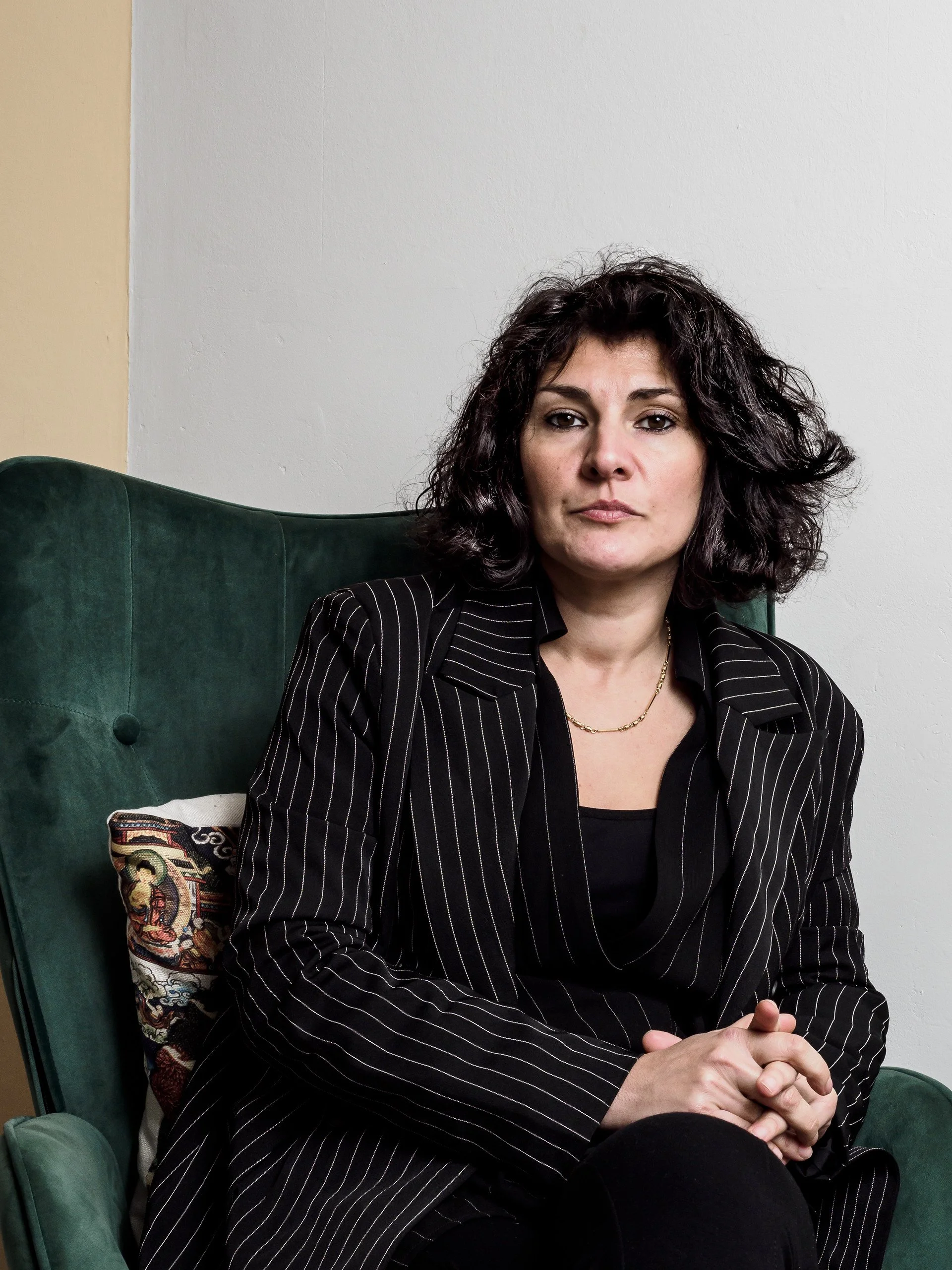
My Approach: Integrative, Somatic & Psychoenergetic Work®
In my practice, I work with an integrative, somatic and psychoenergetic approach, recognising that human beings cannot be understood through a single psychological model. Our experiences are not only cognitive or emotional; they are also embodied, relational, spiritual and energetic. For this reason, my work integrates insights from different therapeutic traditions, including relational therapy, somatic awareness, parts work, attachment understanding and psychoenergetic practices.
This integrative perspective allows the work to address multiple dimensions of the human experience:
emotional patterns
relational dynamics
nervous system regulation
subconscious beliefs
embodied awareness
Rather than focusing only on symptoms, the work aims to explore the deeper dynamics shaping a person’s experience of themselves and others.
Somatic awareness plays an important role in this process, as emotional experiences are often stored not only in the mind but also in the body and nervous system. Developing awareness of bodily sensations, breath and internal states can support emotional regulation and greater self-understanding.
The psychoenergetic dimension of the work also recognises that human beings operate within subtle relational and energetic exchanges. When psychological insight, bodily awareness and emotional processing are integrated, individuals often experience a deeper sense of coherence, clarity and connection with themselves.
The goal of this work is not simply symptom relief but greater integration of the self, allowing individuals to develop resilience, relational awareness and a stronger sense of inner alignment.