
The Hidden Cost of Putting People on a Pedestal in Relationships
One of the things that has always felt uncomfortable in my relationships, of all kinds, is being placed on a pedestal. There’s a difference between being admired and being idealised. It may look similar from the outside, but internally it feels very different.
When I was a child, I carried the weight of being “the first girl.” I was named after my grandmothers, and that name came with expectations. Over time, it began to feel like a glass around me, reflecting back what others wanted to see, rather than what was actually there.
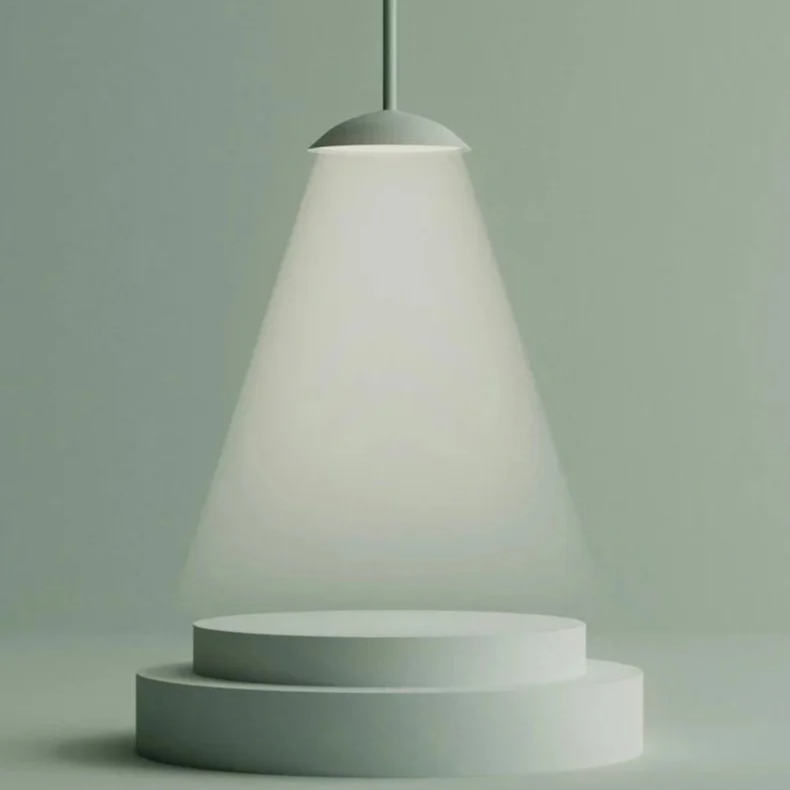
It was protective in some ways, but also deeply confusing.
What I learned early on was this: when you are idealised, you are not fully seen.
And when you don’t meet expectations, the fall is sudden. From being “so good” to being a disappointment. From being lifted up to being dropped. And that fall can feel harsh.
We Do This More Than We Think
The reason I share this is because we often do the same to others, without realising it.
We place people on a pedestal. We admire them, elevate them, assume they know better. And the moment they act in a way that doesn’t fit that image, something shifts. The illusion breaks.
And instead of integrating the complexity of who they are, we crash them down. The reality is: no one can consistently live up to an ideal. No one deserves to be reduced to one and not all admiration is healthy.
Why Do We Idealise?
This is something I explore often in relational work and has always intrigued me. Why do we place people above or below us? Why do we relate through this invisible scale of value?
Often, idealisation begins where something in us feels uncertain, underdeveloped, or missing. We see qualities in another person that we believe we don’t possess ourselves, and we place them there instead. At times, we also project onto others the things we wish we could do, express, or become. For example, parents may unconsciously push children to achieve dreams or ambitions they themselves never fulfilled.
In this way, idealisation is not always about the other person, it is often a reflection of our own unmet desires, fears, or unlived potential.

But in that process, something important happens: When someone goes on a pedestal, something in us goes underground.
We stop relating as equals.
We perform instead of express.
We shrink instead of meet.
You can’t disagree with someone you’ve idealised.
You can’t be fully seen by someone you’re trying to impress.
We become demanding… may begin placing unspoken expectations on the other person, hoping they will fulfil emotional needs, insecurities, or inner lacks we have not yet learned to hold ourselves.
Pedestals Are a Nervous System Strategy
We don’t idealise people because they are perfect. We do it because it creates a sense of safety. But the safety is built on something unstable, an image, not reality. And when that image breaks, disappointment follows. Often with blame, confusion, or even resentment. Because idealisation doesn’t allow space for complexity.
There’s also something less obvious here. When we don’t relate from a place of equality, honesty becomes difficult. And when honesty is not expressed, resentment builds. The more we idealise someone, the harder it becomes to see them clearly. And the harder it becomes to see ourselves.
When uncertainty feels uncomfortable, idealising someone can create a sense of stability:
they lead
they know
they guide
they approve
This reduces internal anxiety. But the safety is temporary, because it is based on an image, not reality. When that image breaks, the system reacts:
disappointment
confusion
frustration
even resentment
This is why idealisation often leads to relational highs and lows.
There is, however, a healthier alternative: inspiration. When we feel inspired by someone, we don’t lose ourselves in them. We recognise something valuable, and we move toward it while staying connected to who we are. We allow people to be human. Complex. Evolving. And we do the same for ourselves.

Signs You May Be Idealising Someone
you minimise your needs
you over-prepare before speaking
you avoid expressing disappointment
you feel anxious about being “too much”
you feel relief when they approve of you
Why Idealisation Leads to Disappointment
No one can consistently meet an ideal. When we place someone in that position we create unrealistic expectations, we deny their complexity, we set the relationship up for collapse. The moment they act outside of that image, the illusion breaks.
This often leads to:
sudden emotional shifts
withdrawal or criticism
“falling off the pedestal”
Idealisation does not protect relationships. It destabilises them.

How to Stop Putting People on a Pedestal
The shift does not require pushing others down. It requires coming back to yourself. Some practical ways to begin:
notice where you are shrinking in the relationship
reconnect with your needs and preferences
allow disagreement without withdrawing
question the assumptions you’ve made about the other person
practise expressing yourself in small, honest ways
This is not about becoming critical. It’s about becoming equal. Healthy relationships are built on mutuality, not hierarchy. When we relate from a place of balance both people are seen as human, both can express needs and limits, both can grow, change, and make mistakes. Relational balance does not mean perfection. It means staying connected to yourself while staying open to another.
Inspiration vs Idealisation
There is a healthier alternative: inspiration. When we feel inspired by someone:
we recognise their qualities without losing ourselves
we remain grounded in our own identity
we allow space for imperfection
Inspiration moves us forward. Idealisation pulls us away from ourselves. There’s no need to “knock someone off the pedestal.” The shift is quieter than that. It begins with recognising that we may have idealised someone, for understandable reasons, and choosing to step back onto our own ground. To see the full picture. To allow imperfection, in them and in ourselves.Because none of us are exempt from making mistakes, disappointing others, or needing to grow.
Why do we put people on a pedestal in relationships?
We often put people on a pedestal when we feel uncertain about our own value or seek safety and reassurance. Idealising someone can create a temporary sense of stability, but it usually leads to imbalance, where one person is seen as “better” and the other becomes less expressed.
Is putting someone on a pedestal unhealthy?
It can be. While admiration is healthy, idealisation removes equality and makes honest communication difficult. Over time, this can lead to disappointment, resentment, and a loss of connection with your own needs and identity.
How do I stop idealising someone?
Start by noticing where you minimise yourself or seek approval. Reconnect with your own needs, allow space for disagreement, and practise relating as equals. The goal is not to lower the other person, but to return to your own ground and develop a more balanced connection.