
Why We Misjudge Others: How Emotional Lenses Shape Perception in Relationships

Why We Think We Know Better Than Others
Why is it so easy to see clearly in other people’s lives, yet feel confused in our own? At times, it can feel like everyone around you knows what they are doing. They appear certain, grounded, confident. And then, in other moments, you are the one observing from the outside, wondering why others cannot see what feels so obvious. In my work as a therapist, I see this pattern constantly. We move between clarity and confusion depending on one key factor: emotional involvement. When we are not emotionally entangled, we see with distance. And distance creates the illusion of clarity.

The Illusion of Clarity Before Reality Breaks the Narrative
Before becoming a mother, I was convinced I understood what it meant to care for a child. I had experience. I had done years of inner work. I was calm, patient, and emotionally aware. People reinforced this belief, telling me I would be a great mother. And I believed them.
I couldn’t understand why some mothers struggled. From the outside, it seemed simple. Logical. Manageable. What I didn’t realise at the time was that I was only seeing a filtered version of reality, one that matched my expectations. I unconsciously avoided the parts that didn’t fit: the emotional weight, the unpredictability, the identity shift, the exhaustion, the loss of control.
When I became a mother, reality did not match the image I had created. It was more intense, more complex, and far more humbling than I had anticipated. What I experienced was not just change, it was a disruption of my internal stability. There were moments where I felt emotionally overwhelmed, pulled into something I could not organise or control. It felt like being inside an emotional current that kept shifting beneath me. And yet, within that experience, something essential happened. I stopped relying on who I thought I was, and started meeting who I actually was. That shift marked the beginning of a deeper kind of self-awareness.
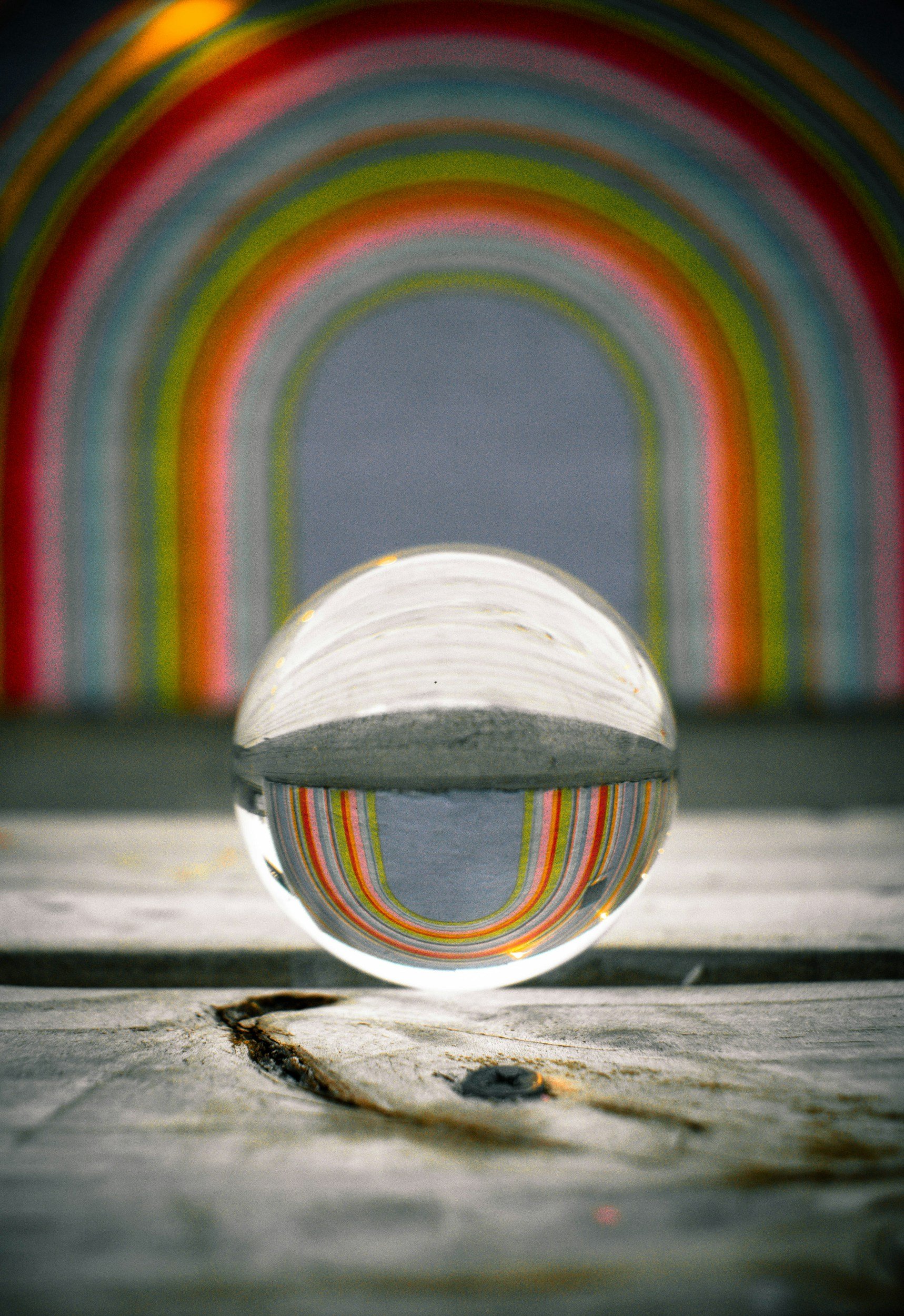
Emotional Lenses and Perception: Why We Misjudge Others
This is where emotional lenses come into play. We do not experience reality objectively. We experience it through our internal state. Our perception is constantly shaped by:
emotional capacity
physical energy
stress levels
past experiences
unresolved emotional patterns
When these layers accumulate, our reactions intensify. Situations that may seem small externally can feel overwhelming internally. And from the outside, others may struggle to understand why. This is how misjudgment happens. We see behaviour, but not the emotional context behind it.
Imagine seeing a parent raising their voice at a child in public. From the outside, it is easy to think: “They should handle this better.”
But what is invisible in that moment?
The lack of sleep. The emotional build-up. The stress, the pressure, the isolation. This does not justify harmful behaviour, but it reveals complexity. The common mistake is assuming:
“If I were in that situation, I would do better.” But that assumption is based on distance, not lived experience.
The Ego and the Illusion of Perspective
As humans, we naturally centre ourselves in what we observe. The belief that we would respond differently often comes from the fact that we are not carrying the same emotional weight. Perspective without context creates illusion. When we recognise this, something shifts. We become less certain, but more open. Less reactive, but more curious. And this is where empathy begins. Awareness changes the way we relate to others.
Instead of approaching situations with certainty or judgment, we begin to hold space with:
empathy
compassion
curiosity
genuine care
Not from a position of “knowing better,” but from a willingness to understand. This is particularly important in relationships, where emotional perception directly influences communication, boundaries, and connection.

When You Are Inside the Emotional Storm
There will be moments when you are the one overwhelmed. When emotions take over and everything feels intense, urgent, and absolute. In those moments, it is important to remember. Your perception is influenced by your state. What you see may not be the full picture. You are inside the experience, not observing it. Learning to pause — even slightly — creates space. Not to suppress emotion, but to widen perspective. Emotions are waves. You don’t need to fight them. But you don’t need to become them either. You are the one riding the wave, not the wave itself.
We all move between clarity and confusion. Between seeing clearly and being emotionally entangled. The goal is not to always get it “right,” but to become aware of how we are seeing.
From that awareness, we can begin to choose:
curiosity over certainty
empathy over judgment
presence over reaction
Why do we misjudge others?
We misjudge others because we observe behaviour without fully understanding the emotional, psychological, and situational context behind it.
How do emotions affect perception?
Emotions filter perception by influencing how we interpret situations, react to challenges, and relate to others.
What are emotional lenses?
Emotional lenses are the internal states, past experiences, and beliefs that shape how we see and interpret reality.
If this resonates with your experience, I offer trauma-informed somatic counselling in Brighton and online, supporting people to move from reactive relational patterns to embodied, authentic connection. You’re welcome to book a free discovery call to explore working together.