
Depression and Emotional Deprivation in Childhood | Attachment & Early Trauma

Depression and the Effects of Emotional Deprivation in Childhood
A few years ago, I came across something that profoundly changed my understanding of myself and the depression I had carried for most of my life. I want to share something personal because I know many people have lived through similar experiences, even if the details are different. I do not want to generalise. You may have gone through something similar and not feel the same. But if you recognise parts of this story, it may help you understand why certain feelings have stayed with you for so long.
Birth Trauma and the Beginning of Disconnection
When my mother went into labour, complications happened quickly. I was born through what they described as a “dry birth.” It was intense and physically traumatic. When I was finally delivered, I was not breathing. I was asphyxiated and placed in an incubator. For 48-hours after birth I did not receive early skin-to-skin contact, no manual care, no holding, no bonding in those first moments of life. And beyond infancy, physical affection and manual care were limited. Looking back, I began to understand how these early experiences may have shaped my relationship with touch, intimacy and identity.
Emotional Deprivation and Identity Struggles
Growing up, I often felt a subtle but persistent distance between myself and others. Asking for affection felt wrong. Physical closeness felt overwhelming. There were people present in practical ways. Help was available in emergencies. But emotional and physical attunement, being held, soothed, mirrored, was limited. Developing a clear sense of identity was difficult. I felt like a different person every day. Curious about many things, yet unable to anchor myself in one direction. As a child, you do not know why you feel this way. You just live inside it.
Melancholy became familiar. Sadness felt normal. I was drawn to philosophy and literature at a young age, especially tormented thinkers and artists. In hindsight, I can see I was searching for answers , trying to understand the unsettled feeling inside me. At the time, I did not know I was experiencing depression.
Depression as Disconnection
For me, depression was not only sadness. It was disconnection.
Feeling invisible.
Feeling misunderstood.
Feeling outside of life.
Floating away from reality.
It became a constant companion. Something I had to learn to live with. When my father passed away when I was 21, the grief amplified everything. It was not just loss, it was the culmination of years of internal instability. My body and heart felt overwhelmed beyond capacity. For the first time, someone recognised how much I was struggling and suggested therapy. That moment changed everything.
Therapy gave me validation. It gave me language. It gave me a mirror. For the first time, I was not alone trying to decode myself. An adult helped me understand my internal world. That became the turning point that led me into a long therapeutic journey, one that continues. Through research and personal work, I began exploring early development and attachment theory to understand how emotional deprivation affects the developing self.
René Spitz and Emotional Deprivation in Infancy
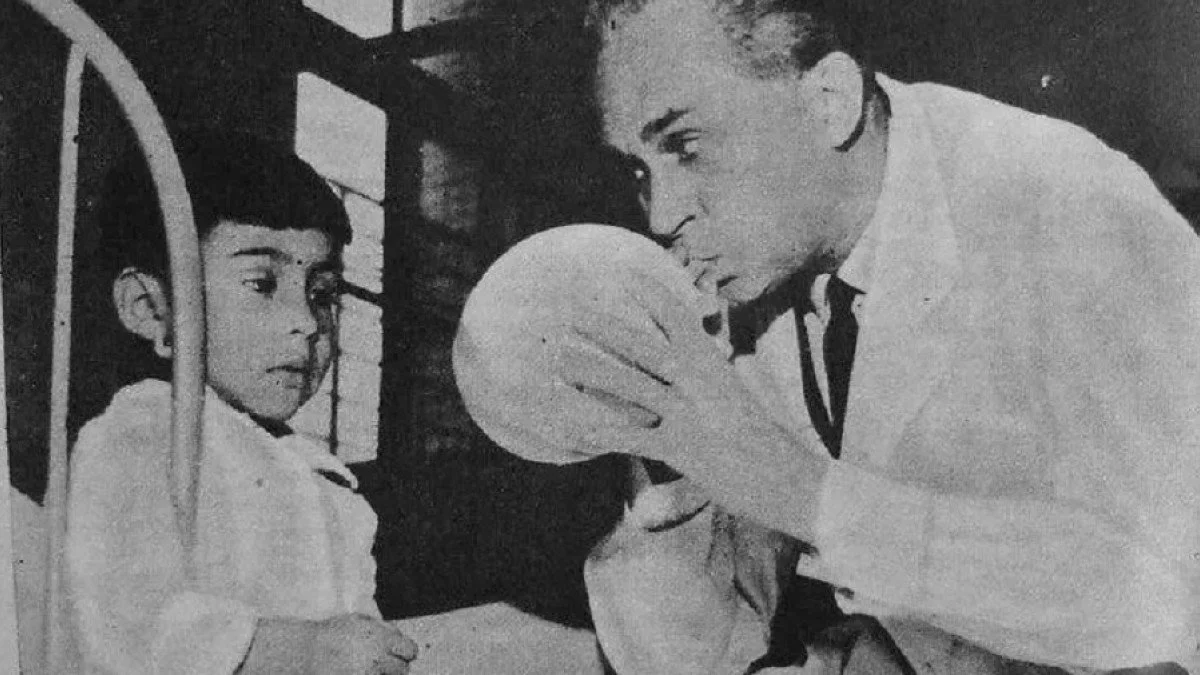
One of the most impactful discoveries for me was the research of psychiatrist René Spitz, who studied infants in hospitals and orphanages deprived of consistent emotional and physical care. Spitz observed that babies who lacked manual care, touch, attunement and relational presence were significantly more likely to develop depression, withdrawal and developmental disturbances later in life. He described what became known as “anaclitic depression”, a form of depression seen in infants separated from primary caregivers. Early skin-to-skin contact, holding, bonding and emotional mirroring are not luxuries. They are fundamental for:
Developing a sense of self
Regulating the nervous system
Forming secure attachment
Feeling safe in the body
Learning how to connect
In the animal kingdom, maternal contact is essential for survival and healthy development. Humans are no different.
How Early Emotional Neglect Affects Adulthood
When early manual care and emotional presence are missing, a child may grow up feeling:
Disconnected from their body
Uncertain about identity
Overwhelmed by intimacy
Chronically sad or melancholic
Prone to depression

The relationship with the primary caregiver forms the blueprint for how we relate to ourselves and others for the rest of our lives. Understanding what happened at the beginning of life can be essential in understanding where you are now.
Learning about early emotional deprivation did not define me. It helped me make peace with myself. When you understand the roots, you stop blaming yourself.
Healing may require:
Developing new relational experiences
Rebuilding nervous system regulation
Learning safe physical boundaries
Receiving therapeutic support
Allowing yourself to grieve what was missing
Understanding is not about staying in the past. It is about gaining resources in the present. If parts of this resonate with you, I encourage you to explore attachment research and early developmental studies. Knowledge can be liberating. You can read more about René Spitz’s research here:
https://iastate.pressbooks.pub/parentingfamilydiversity/chapter/spitz/
And there are many additional resources available exploring early emotional deprivation, attachment trauma and depression.
The beginning of life matters. Touch matters. Presence matters. Being seen matters. But even if those things were missing, healing is still possible. Understanding where you started can help you choose where you want to go.